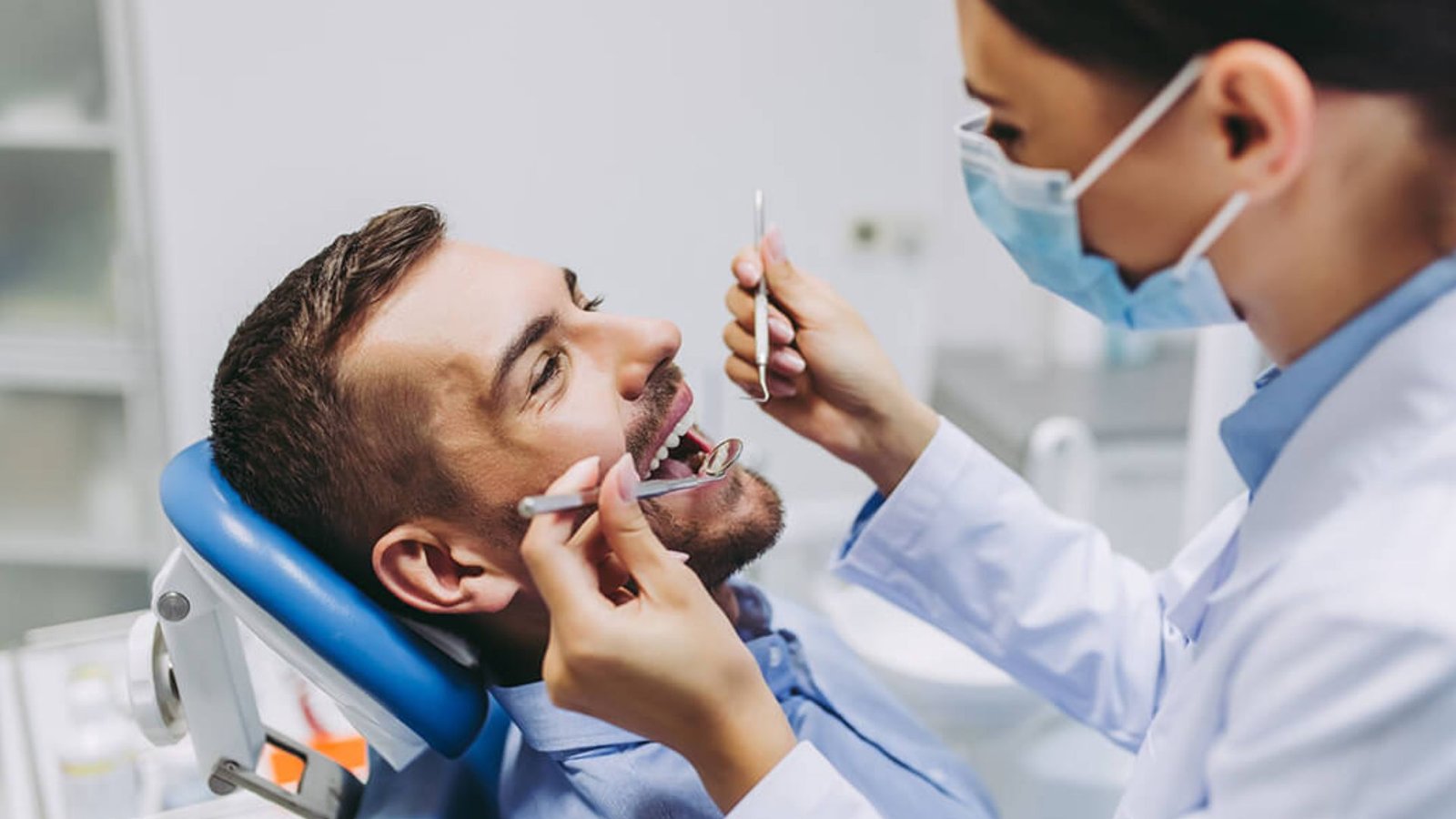
Your mouth is a clear warning system for your body. When you ignore routine dental care, you often miss early signs of heart disease, diabetes, and infection. Regular visits to a Fernbrook dentist are not only about clean teeth. They are a basic part of your healthcare plan. You already schedule checkups for your heart, eyes, and skin. You should treat your teeth and gums the same way. Routine exams, cleanings, and X-rays catch trouble before it spreads. They lower pain, cost, and worry. They also protect how you speak, eat, and work each day. Many people wait until something hurts. By then, the damage is harder to treat, and the impact on your health is greater. You deserve care that prevents a crisis. This blog explains why general dentistry belongs in your regular healthcare plan and how to start today.
How Your Mouth Connects To Your Whole Body
Your mouth is full of blood vessels and nerves. Infection here can reach other organs fast. Gum disease is linked to heart disease, stroke, and poor blood sugar control. The Centers for Disease Control and Prevention explains that untreated gum disease is common and often silent at first.
Regular dental visits help your care team spot signs of:
- Heart disease risk
- Diabetes and poor blood sugar control
- Immune problems
- Sleep apnea and airway problems
- Eating problems and poor nutrition
Early changes in your gums, tongue, and cheeks can show up before you feel sick. A general dentist can share findings with your doctor so you get full care.
Also Read : Maintaining Your Results After A Cosmetic Dental Procedure
Why Routine Dental Visits Matter More Than “Fix It” Visits
Many people see a dentist only when they feel pain. That pattern leads to emergency visits and tooth loss. Routine care flips that script. You stop problems before they control your life.
At a routine visit, you usually receive:
- A full exam of teeth, gums, tongue, and cheeks
- Cleaning to remove plaque and tartar
- X rays when needed to see hidden decay or bone loss
- Screening for X-raysancer
- Review of medicines and medical history
This mix is simple. It protects your ability to chew, speak, and smile in public. It also cuts surprise bills and intense procedures that cause fear.
Also Read : 3 Benefits Of Preventive Dentistry For Aging Parents
Comparing Routine Dental Care And Crisis Care
The difference between steady care and crisis care is sharp. You feel it in your body and in your budget.
| Type of care | What it includes | Typical timing | Impact on health | Impact on cost
|
|---|---|---|---|---|
| Routine care | Checkups, cleanings, X rays, small fillings | Every 6 to 12 months | CatX-raysecay and gum disease early. Protects chewing and speech. | Lower ongoing cost. Fewer big surprise bills. |
| Crisis care | Extractions, root canals, emergency visits | Only when pain or swelling appears | More tooth loss. Higher infection risk. More missed work or school. | Higher one-time cost. Possible ER bills. |
Routine care is more effective after treatment. If you already had fillings or gum treatment, regular visits keep that work from failing earhave
How General Dentistry Supports Children, Adults, And Older Adults
Your needs change as you age. General dentistry adjusts to each stage so you stay steady and safe.
- Children. Routine exams guide jaw growth, tooth spacing, and speech. Fluoride and sealants cut the chance of cavities.
- Adults. Stress, smoking, pregnancy, and health conditions affect your mouth. Routine care tracks these changes.
- Older adults. Many medicines cause dry mouth. That raises decay risk. Dentures and implants need checks to prevent sores and poor chewing.
The National Institute of Dental and Craniofacial Research shows that tooth decay and tooth loss are common in older adults but are often preventable with steady care.
Adding Dentistry To Your Healthcare Plan
You can treat dental care like any other health need. A clear plan helps you stay on track.
Use these steps:
- Schedule a dental exam at least once a year. Twice a year is often better.
- Share your full medical history and medicine list at each visit.
- Ask your dentist to send reports to your primary care doctor when needed.
- Use reminders on your phone or calendar so you do not skip visits.
- Plan for dental costs in your yearly budget or health savings account.
If you do not have a regular office, you can search community health centers or school based clinics. Local health departments often list low-cost dental clinics.
Daily Habits That Support Your Dental Visits
Routine visits work best when your daily habits match them. You can protect your mouth every day with simple actions.
- Brush teeth twice a day with fluoride toothpaste
- Clean between teeth with floss or interdental brushes
- Limit sugary drinks and snacks
- Drink water often, especially after meals
- Use a mouthguard for sports
- Quit smoking and vaping
These steps support the work your dentist does. They also give you more control over your health.
Facing Fear, Shame, Or Past Bad Visits
Many people avoid dentists because of fear, cost, or past pain. Some feel shame about how their teeth look. That weight can keep you stuck for years.
You can share your worries right away when you call the office. You can ask for:
- Extra time to talk before any exam starts
- Clear plain language about what each step involves
- Shorter visits if long ones feel hard
- Numbing options and breaks during treatment
A caring general dentist will treat you with respect. You are not a problem. You are a person seeking help. That is strong.
Making General Dentistry A Non‑Negotiable Part Of Your Health
Your teeth, gums, and jaw affect how you eat, speak, sleep, and work. They also show early warning signs for serious disease. When you treat general dentistry as routine care, you protect more than your smile. You guard your heart, your energy, and your peace of mind.
You do not need a perfect history to start. You only need the next appointment. Put dental checkups on the same list as yearly physicals and eye exams. Then keep that promise to your future self and to your family.