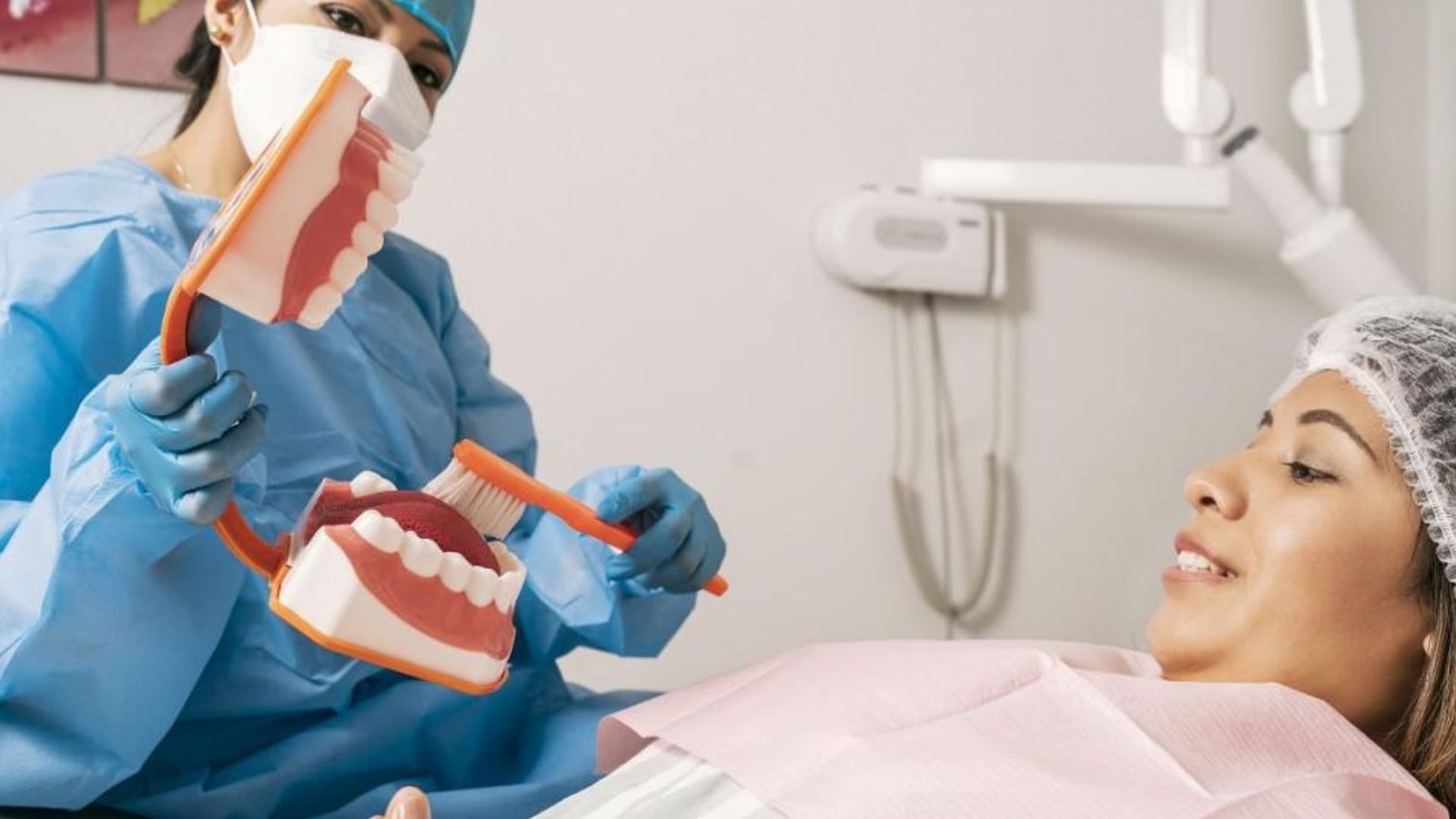
Caring for aging parents can feel heavy. You watch them slow down. You see small problems turn into emergencies. Their teeth are no different. Preventive dentistry helps you stay ahead of pain, infection, and high costs. It also protects their dignity. Regular cleanings, checkups, and simple treatments keep their mouth strong so they can eat, speak, and smile without fear. A Hackensack dentist can spot trouble early and guide you through clear choices. This blog walks you through three specific benefits. You will see how prevention protects their health. You will see how it protects their money. You will see how it protects your peace of mind. You cannot stop aging. You can reduce suffering. Preventive dentistry gives you one direct way to do that for the people who once did everything for you.
1. You prevent pain and infections before they start
As people age, teeth and gums change. Gums pull back. Roots show. Saliva drops because of common medicines. Small cavities and gum infections grow fast. These changes raise the risk of serious mouth disease and severe pain.
Preventive visits help you catch these shifts early. A dentist and hygienist can
- Clean away plaque and tartar that brushing misses
- Check for cavities, cracks, and loose fillings
- Look for early gum disease before teeth loosen
- Screen for mouth cancer and other serious diseases
Early care means lighter treatment. A small cavity may need only a filling. A mild gum infection may improve with deep cleaning and better home care. Waiting can mean root canals or extractions. That can mean days of pain, trouble eating, and loss of confidence.
You also protect their general health. Gum disease is linked to heart disease, stroke, and diabetes problems. The National Institute of Dental and Craniofacial Research explains how gum disease and other mouth problems affect older adults in detail at this resource for adults and older adults. Mouth health is body health. You cannot separate the two.
Also Read : Why General Dentistry Should Be A Routine Part Of Your Healthcare Plan
2. You lower long-term costs and avoid dental emergencies
Many families fear dental bills. That fear leads some to skip routine care. Then trouble grows in silence. The result is an emergency visit and a large bill at the worst time.
Routine checkups and cleanings cost much less than major treatment. You spread the cost out. You control timing. You choose treatment instead of reacting to a crisis.
Here is a simple comparison of common care for older adults. Costs are estimates and vary by location. The point is the pattern. Early care almost always costs less than delayed care.
| Type of visit or treatment | When it usually happens | Goal | Relative cost | Impact on comfort
|
|---|---|---|---|---|
| Routine exam and cleaning | Every 6 to 12 months | Prevent and spot early problems | Low | No pain and quick recovery |
| Small filling | After early cavity is found | Stop decay and save tooth | Low to medium | Short visit and mild soreness |
| Root canal and crown | After deep decay or infection | Save damaged tooth | High | More visits and stronger pain |
| Extraction and denture work | After tooth cannot be saved | Replace missing tooth | High | Healing time and chewing limits |
When you keep regular preventive visits, you give your parent a better chance to stay in the first two rows of that table. That means fewer surprises. It also means less time off work for you and fewer long trips to urgent care clinics.
Medicare has limited coverage for routine dental care. The Centers for Medicare & Medicaid Services explain current rules at this Medicare dental coverage page. Knowing what is covered helps you plan. Then you can budget for cleanings, X-rays, and simple work before they grow into larger procedures.
Also Read : How Accounting And Tax Firms Contribute To Community Financial Health
3. You protect eating, speech, and social confidence
Strong teeth are not only about health or money. They touch daily life. They affect how your parent eats, speaks, and interacts with others.
When teeth hurt, people avoid certain foods. Many older adults give up fresh fruits, vegetables, and meat because chewing is hard. That can lead to weight loss, weakness, and low mood. Preventive care helps preserve chewing strength. Clean teeth and well-fitting dentures let your parent enjoy shared meals again.
Mouth health also shapes speech. Loose teeth, dry mouth, and poor-fitting dentures can change how a person sounds. Words may slur. This can cause shame and withdrawal from conversation. Regular dental checks help keep dentures adjusted and teeth stable. That supports clear speech and social comfort.
Finally, appearance matters at every age. Missing, broken, or stained teeth can make an older adult avoid smiling. They may skip visits with grandchildren or community events. That isolation can feed depression. A simple cleaning, polish, or repair can restore a more natural smile. It can restore a sense of self.
Think of three key parts of daily life that preventive dentistry protects
- Eating. More food choices and better nutrition
- Speaking. Clearer words and fewer awkward moments
- Connecting. More smiles and stronger relationships
You cannot control every illness that comes with age. You can help protect these three basic human needs. That care shows deep respect.
How you can support preventive care for your parents
Supporting aging parents through dental care can feel emotional. You may face resistance. You may hear that pain is “normal for my age” or that “it is too late to fix anything.” Those beliefs cause harm. It is rarely too late to prevent more loss.
You can take three clear steps
- Start a calm talk. Ask about pain, loose teeth, or trouble chewing
- Set up a preventive visit. Share any medical history and medicine lists with the dental office
- Plan for follow-up. Place the next cleaning on the calendar before you leave the office
If your parent has memory loss or mobility limits, you may need to attend visits. You can help share symptoms, ask questions, and remember instructions. You can also help with daily brushing and flossing. A soft brush, fluoride toothpaste, and simple tools like floss holders or interdental brushes can make home care easier.
Preventive dentistry will not erase every problem. It will cut the risk of sudden pain. It will lower costs over time. It will protect comfort and pride. For aging parents, that combination matters. For you, it can bring a measure of relief in a hard season of life.