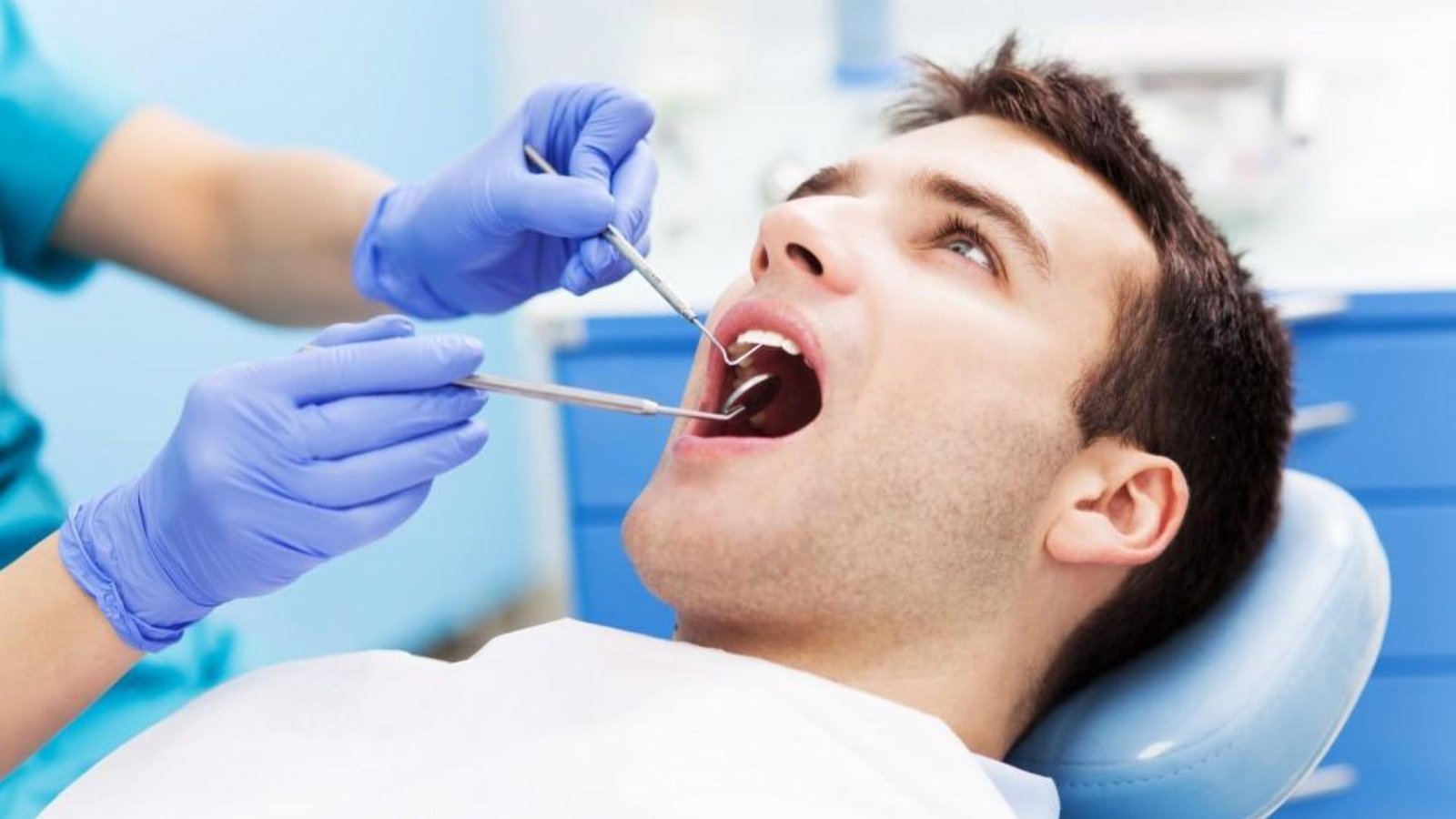
You might think dental cleanings only protect your teeth. They do much more. Regular cleanings support your heart, lungs, blood sugar, and even your mood. They lower silent inflammation that can wear down your body over time. They also help you catch health problems early, when they are easier to manage. A South Edmonton dentist can see signs of sleep apnea, diabetes, vitamin shortages, and even stress by looking in your mouth. These visits also remove stains and buildup that you cannot brush away at home. That means less pain, fewer urgent visits, and more control over your health. Each cleaning is a check on how your daily habits affect your body. It is also a chance to reset and plan small changes that protect you. When you keep these appointments, you protect far more than your smile.
How Your Mouth Connects To Your Whole Body
Your mouth is part of your body, not separate from it. Germs in your gums can travel into your blood. They can then reach your heart, lungs, and other organs. When you skip cleanings, plaque hardens into tartar. Your gums react with swelling and bleeding. That swelling is a sign of strain on your immune system.
Research from the National Institute of Dental and Craniofacial Research links gum disease with higher risk of heart disease and poor blood sugar control. When you keep your mouth clean, you lower that hidden burden. You give your body space to heal.
Regular cleanings clear away the sticky film that feeds harmful germs. This keeps gum pockets shallow and easier to clean at home. It also cuts the chances that bacteria will slip into your bloodstream during brushing or chewing.
Also Read : Online Selling Platforms for Small Businesses: What You Need to Know
Health Problems A Cleaning Can Reveal Early
During a dental cleaning, your provider does more than scrape and polish. They scan your tongue, cheeks, gums, and throat. They check your bite and jaw. They watch how you breathe. This quiet check can uncover health issues you may not feel yet.
| Condition | Possible Signs In Your Mouth | Why Early Detection Helps You
|
|---|---|---|
| Heart disease risk | Swollen, bleeding gums and heavy tartar | Prompts medical checks for blood pressure and cholesterol |
| Diabetes | Frequent gum infections and slow healing | Leads to earlier testing and blood sugar control |
| Sleep apnea | Worn teeth and red throat from mouth breathing | Supports quicker sleep study and safer rest |
| Vitamin shortages | Sore tongue and cracking at mouth corners | Encourages diet changes and supplements |
| Oral cancer | Lasting sores or patches that do not heal | Improves chances of successful treatment |
Each visit is a quick screening for these silent problems. When caught early, you avoid long hospital stays and heavy treatments. You also protect your family from stress and worry.
Also Read : Why Cp As Are Indispensable In Forensic Accounting Cases
Benefits For Your Heart, Lungs, And Blood Sugar
Gum disease is an infection. Your immune system sends chemicals to fight it. Those chemicals do not stay in your mouth. They move through your blood and can harm blood vessels.
The Centers for Disease Control and Prevention explain that gum disease links with heart disease and poor pregnancy outcomes. When you keep gums clean and firm, you lower this strain.
For your heart, less gum swelling means less damage to artery walls. This may lower the risk of heart attack and stroke.
For your lungs, fewer mouth germs mean fewer germs to breathe in. This matters for children, older adults, and anyone with asthma or COPD.
For your blood sugar, cleanings reduce gum infections that can make diabetes harder to manage. People with diabetes who treat gum disease often find better blood sugar numbers with the same medicine and diet.
Emotional And Social Gains For Your Family
Clean teeth change how you feel in a room. You smile more. You speak without worry about bad breath. Children face school photos and group talks with less fear.
Regular cleanings can support your mood in three ways.
- You feel fewer toothaches and mouth sores, so your sleep improves.
- You avoid surprise dental bills that strain your budget.
- You teach your children that their body deserves steady care.
Small choices build strong habits. When a child grows up with routine cleanings, adult care feels normal, not scary. This reduces skipped visits and painful problems later in life.
How Often You Should Schedule A Cleaning
For many people, a cleaning every six months is enough. Some need more frequent visits. If you have diabetes, smoke, are pregnant, or have gum problems, your provider may suggest every three or four months.
Think of three key questions.
- Have your gums bled in the last month
- Have you had a cavity or dental emergency in the last year
- Do you care for someone who depends on you every day
If you answered yes to any of these, shorter gaps between cleanings can protect both you and those who rely on you.
What To Expect At A Regular Cleaning Visit
Knowing what will happen can ease worry for you and your children.
- Review. You share your health history, medicines, and any changes since the last visit.
- X rays. You may get images to check between teeth and under fillings.
- Gum check. They measure the depth of spaces around your teeth.
- Scaling. They remove plaque and tartar from teeth and gum lines.
- Polish. They smooth and shine teeth to slow new buildup.
- Fluoride or other protection. They may place treatments to strengthen enamel.
- Home plan. You get clear steps for brushing, flossing, and diet.
Each step aims to prevent pain, not just respond to it. That respect for your time and comfort is key.
Simple Steps Between Visits
Cleanings work best when you support them at home. You can focus on three daily steps.
- Brush twice a day with fluoride toothpaste for two minutes.
- Clean between teeth once a day using floss or small brushes.
- Drink water often and keep sugary snacks and drinks rare.
These actions help your next cleaning go faster. They also keep your gums calm and your breath fresh.
Protect More Than Your Smile
Regular dental cleanings are quiet shields for your whole body. They guard your heart. They support easier breathing. They steady your blood sugar. They also lift your confidence and your sense of control.
When you schedule that next visit and keep it, you choose steady health over crisis care. You also send a clear message to your children. Their body is worth care today, not someday.