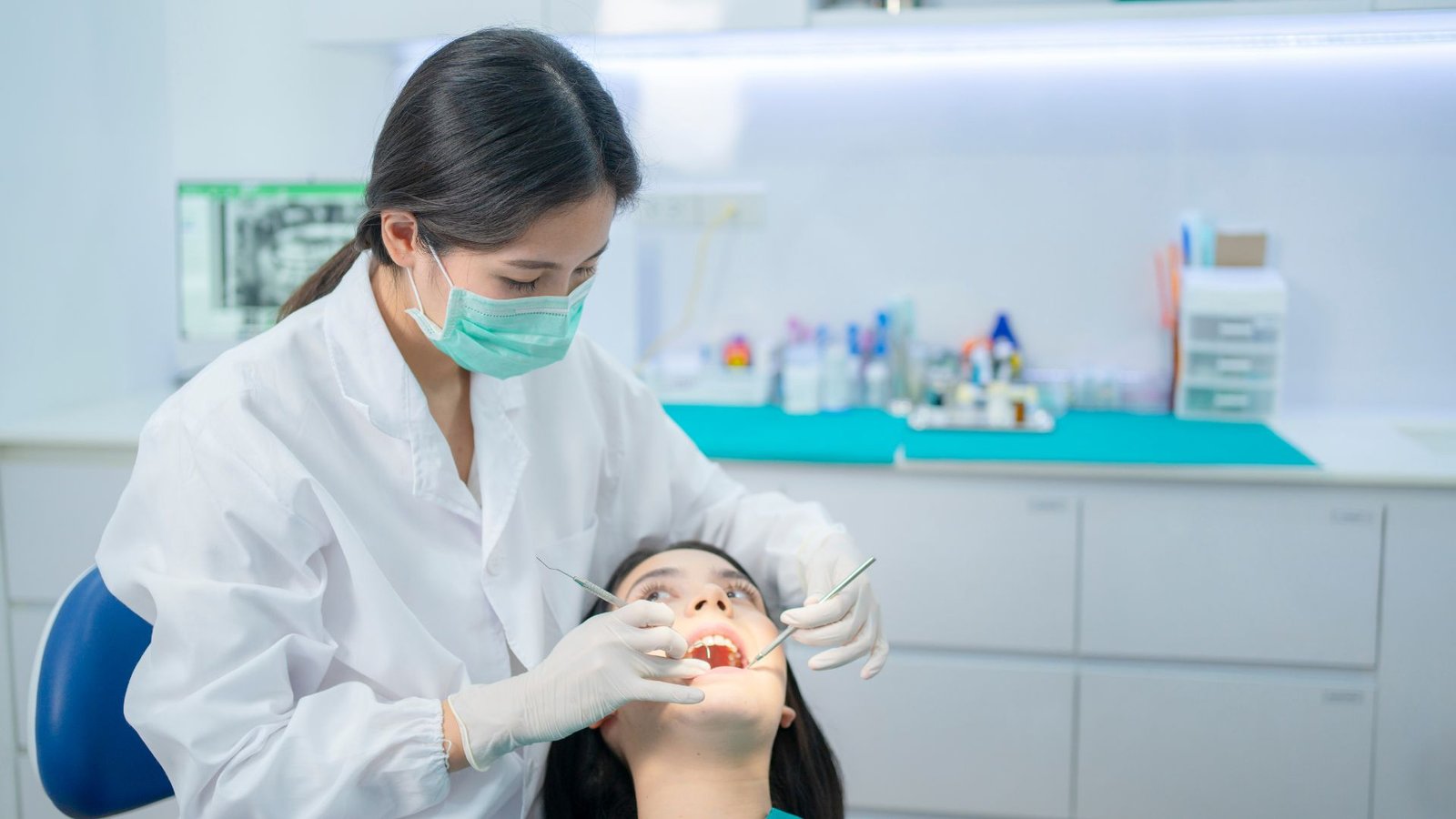
Your gums hold your teeth in place, protect your jaw, and shape your smile. Yet you may only think about them when they bleed or hurt. Regular gum assessments in dentistry protect you from slow and silent damage that you cannot see in the mirror. During these visits, your dentist checks for swelling, pocket depths, bone loss, and early signs of infection. Early gum disease often has no pain. That silence can lead to loose teeth, bad breath, and costly treatment. Regular checks help you avoid tooth loss and cut your risk of needing complex work such as dental implants in King of Prussia, PA. They also link to your general health, including heart and blood sugar problems. When you keep up with gum assessments, you get clear answers, a simple care plan, and a stronger mouth for the long term.
What A Gum Assessment Includes
During a gum assessment, your dentist or hygienist looks at three key things. These checks are quick and gentle. They give a clear picture of your gum health.
- Gum appearance. You get checked for redness, swelling, and bleeding.
- Pocket depth. A small probe measures the space between your tooth and gum.
- Bone support. X rays show if infection has eaten away bone.
The probe numbers matter. Healthy gums usually measure between 1 and 3 millimeters. Larger numbers signal deeper pockets where germs hide and grow.
What Pocket Depth Numbers Usually Mean
| Pocket depth (mm) | What it often shows | Typical care step
|
|---|---|---|
| 1 to 3 | Healthy gums | Routine cleaning and home care |
| 4 | Early gum inflammation | Improved brushing, flossing, and targeted cleaning |
| 5 to 6 | Moderate gum disease | Deep cleaning and close follow up |
| 7 or more | Severe gum disease | Specialist care and possible surgery or tooth removal |
Also Read : Transform Your Yard with GoCalc’s Sod GoCalc Guide: Precision and Simplicity Combined
Why Regular Gum Checks Matter For Your Mouth
Gum disease is common. The Centers for Disease Control and Prevention reports that about 42 percent of adults age 30 and older have some form of periodontitis, which is advanced gum disease.
Regular gum assessments protect you in three clear ways.
- You catch problems early. You find trouble before you feel pain or see loose teeth.
- You keep more teeth. Healthy gums mean strong support and less risk of tooth loss.
- You save time and money. Short visits and simple cleanings cost less than surgery and replacement teeth.
When gum disease is caught early, treatment often only needs a deep cleaning and better home care. When it is ignored, you may face tooth loss, jawbone loss, and the need for complex work such as bridges or implants.
Also Read : How General Dentistry Focuses On Both Function And Aesthetics
How Gum Health Connects To Your Body
Your mouth is part of your body, not separate from it. Inflammation in your gums can spread through your blood and strain other organs. Research links gum disease with heart disease, stroke, and problems managing blood sugar in diabetes.
The National Institute of Dental and Craniofacial Research explains these links in simple terms at this gum disease information page.
Regular gum assessments help you and your dentist spot signs that may connect to other health problems. You can then share this with your primary care doctor. Together, your care team can adjust your plan for heart disease, diabetes, or pregnancy care.
Who Needs More Frequent Gum Assessments
Some people need gum checks more often. You may need visits every three to four months instead of every six months if you have any of these:
- History of gum disease or tooth loss
- Diabetes
- Heart disease or stroke
- Pregnancy
- Smoking or vaping
- Dry mouth from medicines
- Family history of early tooth loss
If you fit one of these groups, talk with your dentist about a tighter schedule. Short, regular checks can prevent sudden crises that disrupt work, school, and family life.
What To Expect During A Family Visit
Gum assessments are safe for children, teens, adults, and older adults. The steps look a bit different by age, but the goal stays the same. You want strong gums that hold teeth in place.
- Children. The dentist checks how gums respond to brushing and how baby teeth and new teeth fit together.
- Teens. Gums get checked for swelling around braces and for early signs of habits like grinding or clenching.
- Adults. Full pocket charting, X rays, and review of health history guide a clear plan.
- Older adults. The dentist looks for gum recession, dry mouth from medicines, and loose teeth under bridges or dentures.
You can prepare your family by telling them what will happen. Explain that the dentist will look, measure, and clean. No surprises. You can also bring a list of medicines and health conditions so your dentist can tailor advice.
How To Support Healthy Gums At Home
Gum assessments work best when you keep up daily habits. You do not need special tools. You only need steady effort.
Focus on three daily steps.
- Brush two times a day with fluoride toothpaste for two minutes.
- Clean between teeth once a day with floss or an interdental brush.
- Use an alcohol free mouth rinse if your dentist suggests it.
You can add simple lifestyle changes.
- Limit sugary drinks and snacks.
- Drink water during the day.
- Quit smoking or vaping.
These habits cut the germs that attack your gums. They also support your heart and blood sugar control.
When To Call Your Dentist Sooner
Do not wait for your next checkup if you notice warning signs. Call your dentist soon if you see any of these:
- Bleeding when you brush or floss
- Red or puffy gums
- Gums that pull away from teeth
- Loose teeth or a change in your bite
- Bad breath that does not go away after brushing
- Sores in the mouth that do not heal
Quick action can turn early gum disease around. Waiting can turn a small problem into tooth loss and the need for advanced care.
Take Your Next Step
Regular gum assessments in dentistry give you control. You do not have to guess about your gum health. You get clear numbers, clear images, and clear next steps. With steady visits and simple daily care, you protect your teeth, your smile, and your overall health. Schedule your next gum check and bring your questions. Your care team is ready to support you and your family.