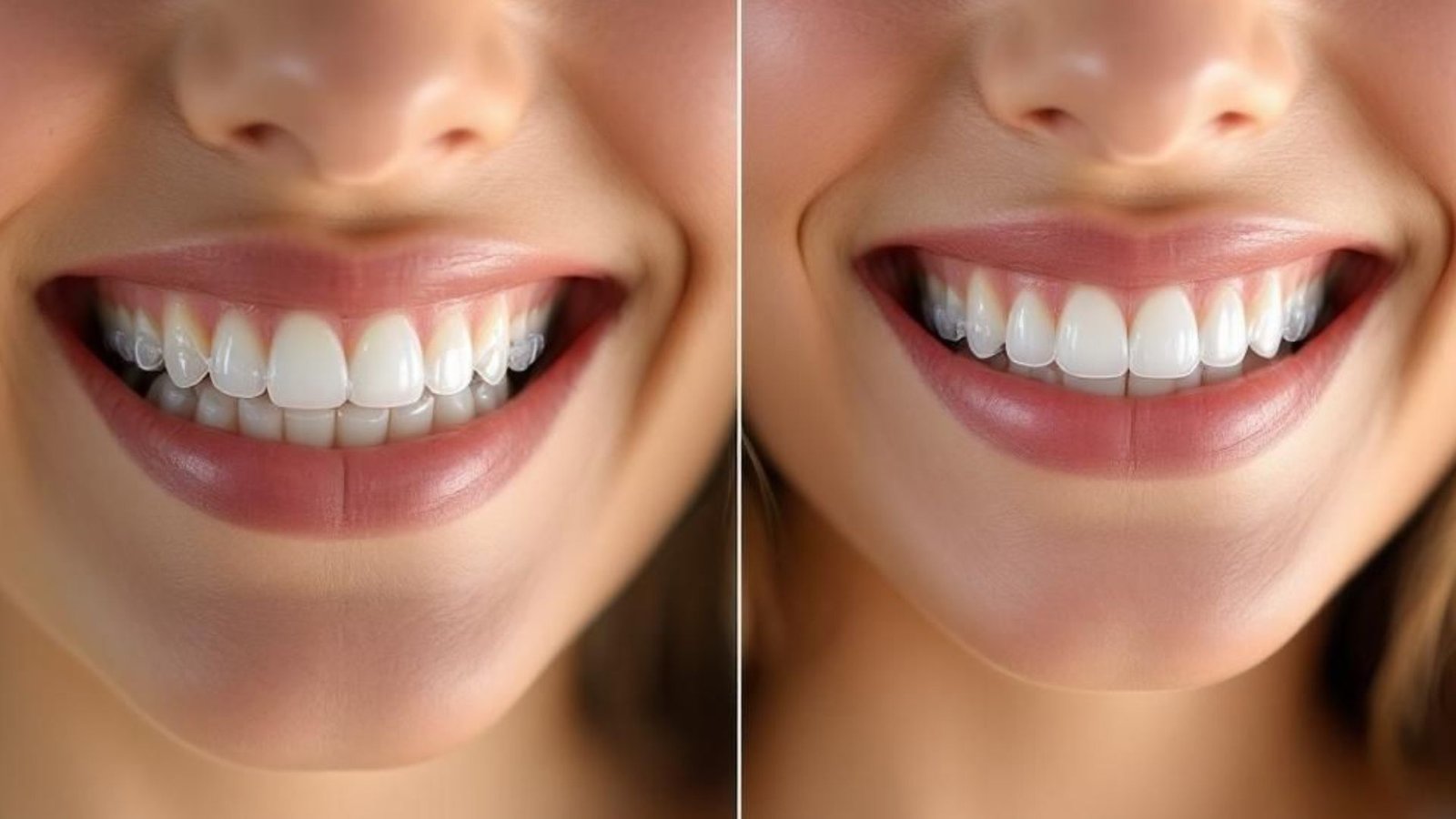
A strong smile changes how you eat, speak, and move through each day. It affects your confidence, your relationships, and your health. This blog shares five real smile transformations that came from simple steps you can take. First, you will see how routine checkups stopped small problems from turning into painful crises. Second, you will read how cosmetic care corrected chipped, stained, or uneven teeth. Third, you will learn how both types of care work together to protect your future health. Each story shows what happens when you stop waiting and start acting. You will understand what to expect, what questions to ask, and how to plan your next visit. If you feel nervous or ashamed of your teeth, you are not alone. A trusted dentist in Richmond Hill, NY can guide you through each step and help you claim a calm and confident smile.
Why preventive and cosmetic care work together
Preventive care keeps your mouth clean and strong. Cosmetic care shapes how your teeth look. You need both. The Centers for Disease Control and Prevention explains that regular cleanings and fluoride help prevent decay and gum disease.
When you fix stains, chips, or gaps on a healthy base, the change feels steady and safe. You avoid repeat work. You avoid long painful visits. You gain a smile that feels natural in daily life.
Preventive care and cosmetic care at a glance
| Type of care | Main goal | Common steps | Typical benefit
|
|---|---|---|---|
| Preventive care | Stop disease before it starts | Cleanings, exams, fluoride, sealants | Fewer cavities and less pain |
| Cosmetic care | Improve how teeth look | Whitening, bonding, veneers | More confidence when you smile |
| Both together | Health and appearance | Checkups plus planned cosmetic steps | Stronger teeth that look natural |
Also Read : 4 Benefits Of Coordinating Cosmetic And Preventive Dentistry
1. From constant cavities to calm cleanings
Picture a person who dreads the dentist chair. Every visit ends with a new filling. The cycle feels endless. The change starts when you keep three habits.
- Visit for a cleaning and exam every six months.
- Brush with fluoride toothpaste twice a day.
- Use floss once a day, even if your gums feel sore at first.
The dentist tracks small soft spots before they become deep holes. Sealants on back teeth block food from hiding in grooves. Fluoride hardens the enamel. Over time, your visits shift. You move from emergency drills to quick cleanings. You sit in the chair without fear of bad news.
Also Read : Why Family Dentistry Is The Key To Building Lifelong Healthy Habits
2. From dark stains to a steady bright smile
Many people feel judged for tea, coffee, or smoking stains. The shame can keep you from speaking up at work or smiling in photos. You can change that with a safe plan.
The American Dental Association explains that whitening products with the ADA Seal meet tested safety standard. A dentist can:
- Clean your teeth to remove surface stains.
- Check for decay or gum disease before whitening.
- Use in office or take home whitening trays.
The result is not just brighter teeth. You raise your head when you talk. You laugh without covering your mouth. You stop planning your life around low light or camera angles.
3. From chipped front tooth to smooth natural shape
A chipped front tooth can happen in one moment. A fall. A sports hit. A fork slip. The damage may be small, yet it pulls your eye every time you look in the mirror. You might feel anger or shame that will not fade.
Here is how a dentist often repairs this.
- First, the dentist checks for deeper cracks or root damage.
- Next, they clean the tooth and choose a bonding shade that matches.
- Finally, they shape and harden the material with a curing light.
The visit is short. The change is sharp. Your tooth looks whole. You gain back the sense that your face matches who you are. You also protect the weak edge from further breakage.
4. From crowded teeth to a balanced bite
Crowded or twisted teeth do more than change your look. They trap food. They make brushing and flossing hard. That raises your risk of gum disease and decay. It can also strain your jaw and cause daily tension.
A dentist may suggest three paths.
- Traditional braces for steady control of complex crowding.
- Clear aligners for mild to moderate shifts.
- Selective reshaping and bonding for small overlaps.
With each step, preventive care stays important. Cleanings during orthodontic treatment keep your gums steady. Fluoride helps protect exposed spots. At the end, your smile looks straighter. Your bite feels even. You also spend less time fighting plaque in tight corners.
5. From missing tooth to complete smile
A missing tooth can change how you chew, speak, and feel about your face. It can also let nearby teeth shift. That shift can change your bite and cause wear on other teeth.
Common options include three choices.
- A bridge that fills the gap by using nearby teeth as anchors.
- A partial denture that you can remove for cleaning.
- An implant that replaces the root and supports a crown.
Each option needs clean gums and stable bone. Routine checkups keep the surrounding teeth healthy. When you restore the gap, you bite with both sides again. You speak without a lisp. You smile in family photos without worrying who will notice the space.
How to start your own smile transformation
You do not need a perfect life to start. You only need three steps.
- Schedule a checkup and cleaning.
- Ask for a clear list of problems and cosmetic choices.
- Set a simple plan that fits your budget and time.
You deserve a mouth that feels strong and looks honest to who you are. When you treat disease early and choose careful cosmetic work, you protect your health and your sense of self at the same time.