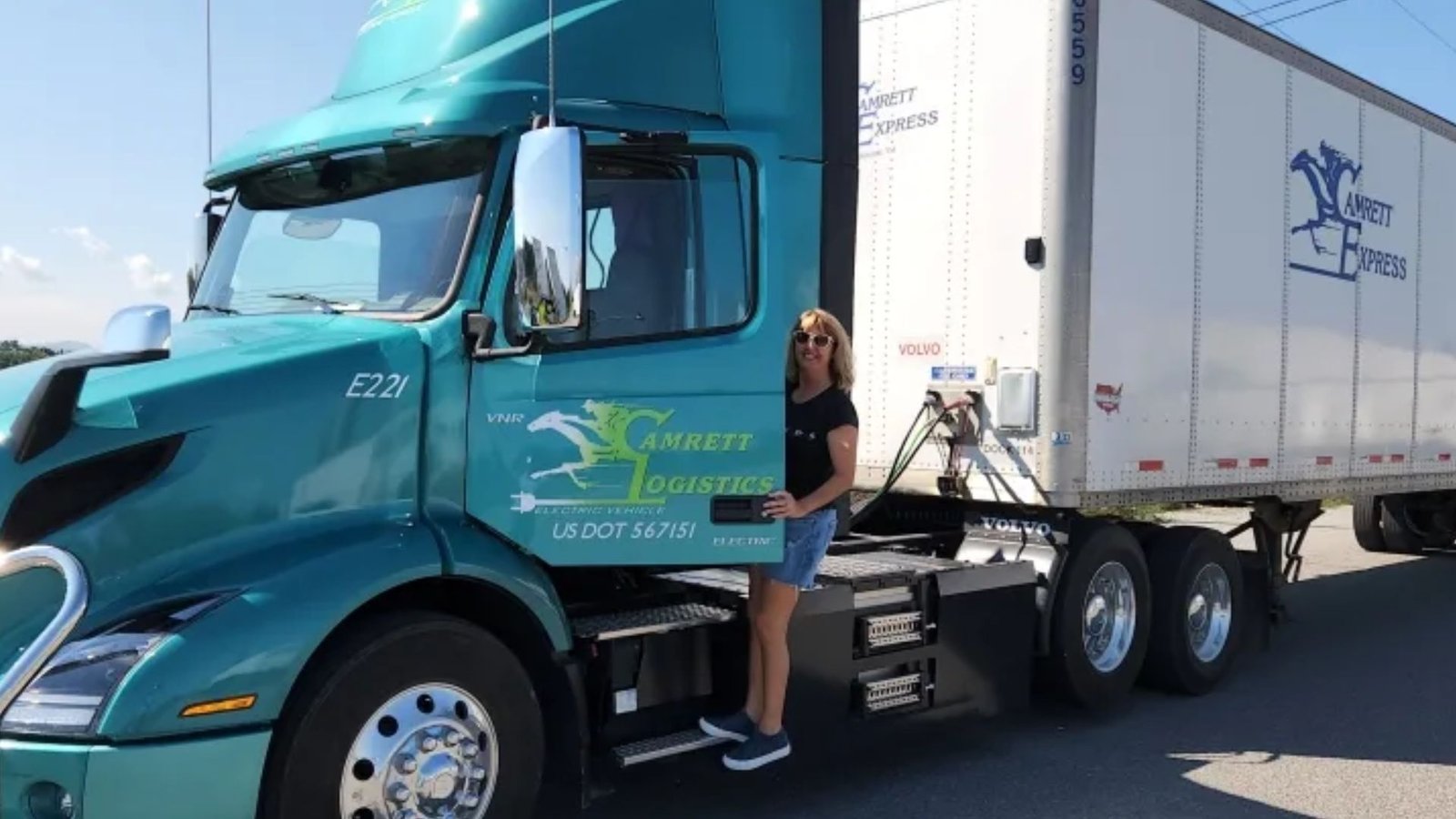
A refrigerated truck leaves a distribution center at 5 PM loaded with $50,000 worth of fresh salmon, destined for restaurants 300 miles away. The driver checks the refrigeration unit’s display before departing—it reads 38°F, right where it should be. Somewhere around midnight, a compressor valve fails and temperatures inside the trailer climb to 55°F for three hours before the driver notices the problem at a rest stop. By the time the truck reaches its destination the next morning, the refrigeration unit is working again and showing proper temperature. But the salmon spent hours in the danger zone where bacterial growth accelerates rapidly. Should the distributor deliver this product to restaurants? Accept it back and try to sell it to a different customer? Destroy $50,000 worth of seafood based on a temperature reading the driver wrote on a paper log?
Without continuous temperature monitoring, distributors face impossible decisions about whether products remained safe during transport. Drivers’ manual temperature checks happen every few hours at best, leaving gaps where problems go undetected. Refrigeration unit displays show current temperature, not what happened overnight while the driver slept. This visibility gap forces food companies to choose between accepting potentially unsafe products or destroying expensive inventory based on incomplete information. RFID temperature-sensing tags eliminate this guesswork by creating continuous temperature records that show exactly what conditions products experienced throughout their journey, enabling data-driven decisions about safety and quality.
Real-Time Monitoring That Never Sleeps
Also Read : Why Certified Public Accountants Are The Gold Standard In Finance
Temperature deviations that compromise food safety often happen during overnight hauls, equipment loading and unloading, or warehouse transfers where nobody’s actively monitoring conditions. A pallet of frozen ground beef sits on a loading dock for 45 minutes during a busy morning while forklifts move other freight. Ice cream containers experience temperature fluctuations during a refrigerated truck’s defrost cycle. Fresh produce waits in a staging area where the cooling system can’t keep up during a summer heat wave. These brief temperature excursions might not ruin products immediately, but they accelerate spoilage and reduce safe shelf life.
Also Read : CES 2026 Preview: The AI-Powered Ecosystem Takes Center Stage
RFID temperature sensor tags attached to pallets, cases, or individual high-value items log temperature readings at predetermined intervals—typically every few minutes throughout transport and storage. The tags don’t require external power sources or manual activation. They simply record conditions continuously, building complete thermal histories that reveal exactly when and where temperature problems occurred. When products arrive at their destination, receiving teams scan the tags to instantly access temperature data spanning the entire supply chain journey.
This continuous monitoring catches problems that periodic manual checks miss entirely. A refrigerated trailer’s cooling system might cycle on and off correctly most of the time but experience a two-hour failure at 3 AM. Manual temperature logs would show proper readings at 10 PM and 6 AM, suggesting everything stayed safe. Temperature sensor data reveals the actual problem, allowing receivers to quarantine affected products before they reach consumers. This precision prevents both unnecessary waste from overly cautious destruction policies and dangerous distribution of compromised products that might cause foodborne illness.
Accountability When Spoilage Happens
Food spoilage disputes between shippers, carriers, and receivers cost the industry millions in claims, litigation, and damaged relationships. A grocery chain receives a seafood shipment that shows signs of thawing and refuses delivery, claiming the carrier’s refrigeration failed. The trucking company insists their equipment worked perfectly and suggests the problem happened in the shipper’s warehouse before loading. Without objective temperature data, these disputes become he-said-she-said arguments where each party points fingers at others while trying to avoid financial responsibility for destroyed products.
Temperature sensor tags create indisputable records that assign responsibility based on actual data rather than speculation. If tags show products maintained safe temperatures throughout transport but climbed into the danger zone after delivery, the receiver bears responsibility. When temperature excursions clearly occurred during a specific carrier’s custody, the shipping company faces documented evidence supporting claims against them. This objective accountability makes insurance claims straightforward, reduces litigation over spoiled products, and creates incentives for all supply chain participants to maintain proper cold chain conditions.
The data also identifies patterns that reveal systematic problems rather than isolated incidents. A particular trucking route consistently shows temperature spikes during afternoon deliveries, suggesting vehicles are inadequate for hot weather conditions. A specific warehouse location repeatedly receives products that experienced temperature abuse, indicating problems with their receiving dock procedures. This pattern recognition enables operational improvements that prevent future losses rather than just documenting problems after they’ve already caused damage.
Regulatory Compliance That Satisfies Inspectors
FDA regulations under the Food Safety Modernization Act require food companies to implement preventive controls throughout their supply chains, including temperature monitoring for time-temperature sensitive products. Regulatory inspectors want to see documented procedures for maintaining safe temperatures and evidence that companies actually follow these procedures. Manual temperature logs satisfy this requirement on paper, but inspectors know these logs often get filled out after the fact or contain best-guess temperatures rather than actual measurements.
Automated temperature monitoring through sensor tags provides the documented, tamper-resistant records that regulators prefer. The tags create electronic logs that can’t be altered retroactively or filled in based on what someone thinks temperatures should have been. Time stamps prove that temperature readings happened at claimed intervals rather than being invented to meet documentation requirements. When inspectors audit cold chain procedures, companies can present comprehensive temperature data spanning months or years, demonstrating consistent compliance rather than isolated examples from days when inspectors happened to visit.
This documentation becomes crucial during foodborne illness investigations where regulators trace contaminated products back through distribution networks. Companies that can prove their products remained at safe temperatures throughout their custody avoid liability and regulatory action. Those relying on incomplete manual records face presumptions that they failed to maintain proper conditions, even if their actual handling was appropriate. The difference between documented compliance and regulatory sanctions often comes down to having objective temperature data that proves safe handling occurred.
Cost Savings From Reduced Waste
Food industry profit margins are thin enough that spoilage losses significantly impact profitability. Conservative disposal policies that destroy any product with questionable temperature history waste enormous quantities of safe food. Risk-tolerant approaches that ship everything unless spoilage is obvious occasionally distribute compromised products that cause illness outbreaks, recalls, and permanent brand damage. Temperature sensor data enables calibrated approaches where disposal decisions are based on actual product history rather than worst-case assumptions or blind optimism.
Products that maintained safe temperatures throughout transport get distributed confidently, even if equipment malfunctions occurred, because the data proves products never experienced dangerous conditions. Items that spent brief periods in marginal temperature ranges can be rerouted to uses with shorter shelf life requirements rather than destroyed outright. Only products with documented exposure to clearly unsafe conditions face disposal, minimizing waste while maintaining safety. This precision reduces disposal costs, increases sellable inventory, and improves supply chain efficiency across the entire cold chain.
The return on investment for temperature monitoring systems often appears within months through reduced claims, lower insurance premiums, and decreased product losses. A regional distributor handling $10 million in perishable products annually might lose 2-3% to spoilage and claims—$200,000 to $300,000. Cutting these losses by even 25% through better temperature monitoring generates $50,000 to $75,000 in annual savings, easily justifying the implementation costs while simultaneously improving food safety and regulatory compliance. Companies serious about cold chain integrity don’t view temperature monitoring as an optional expense—they recognize it as essential infrastructure that protects both public health and their bottom line.