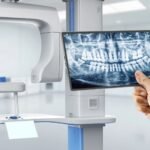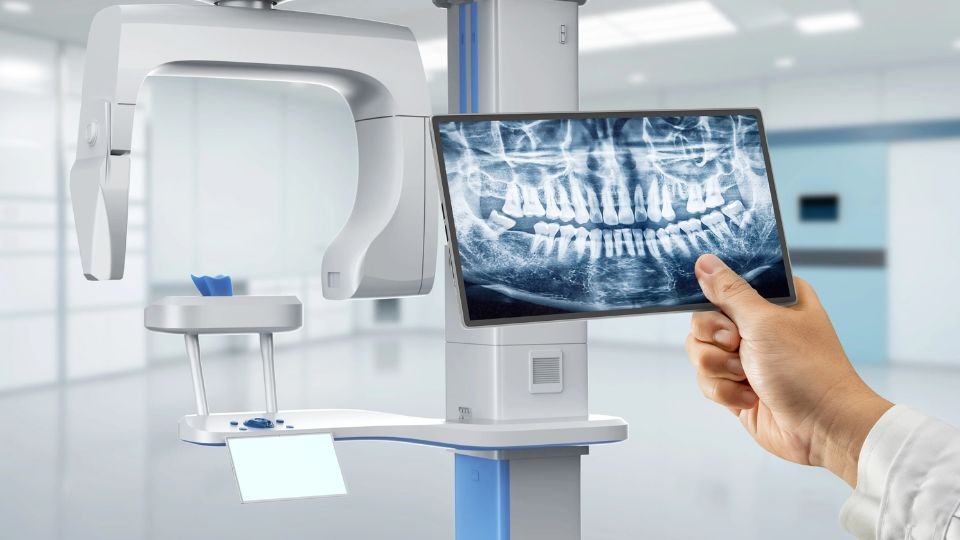
Digital X-rays changed how you and your family get dental care. They use much less radiation than older film X-rays. They also give clearer images that help your dentist spot small problems early. That means fewer surprises, fewer big treatments, and more control over your health. In a busy life, you need care that is fast, safe, and steady. Digital X-rays support that. They show tooth decay, bone loss, and infection before you feel pain. Then your dentist can act early. This blog explains five key benefits you get from digital X rays when you visit a general practice or a dentist in Georgetown Texas. You will see how this simple tool shapes every part of your visit. You will also see how it protects your body, your time, and your peace of mind.
1. Lower radiation exposure for you and your child
Safety sits at the center of every exam. Digital X-rays use sensors that capture images with far less radiation than film. That helps protect your body over time, visit after visit.
Research from the National Cancer Institute shows that medical and dental X-rays give only a small share of your yearly radiation exposure. Digital systems cut that even more. You still get the picture your dentist needs. You avoid the higher dose that came with film.
Here is a simple comparison.
| Type of dental X ray | Approximate radiation dose | Everyday comparison
|
|---|---|---|
| Single digital bitewing | About 5 µSv | Less than one day of natural background radiation |
| Single film bitewing | About 20 µSv | About three days of natural background radiation |
| Full digital mouth series | About 35 µSv | About four days of natural background radiation |
µSv means microsievert. It is a standard unit that shows dose. You do not need to track the math. You only need to know that digital X-rays use much less.
Also Read : The Importance Of Choosing A Dentist Who Understands Family Needs
2. Clearer images that catch problems early
You cannot fix what you cannot see. Digital X rays give sharp images that your dentist can zoom, crop, and adjust. That helps show tiny spots of decay between teeth. It also helps show bone changes that hint at gum disease or infection.
With film, your dentist had to hold a small picture up to a light. If the image came out too dark or too light, it often meant another X ray and more radiation. With digital, your dentist can adjust contrast on the screen. You stay in the chair. You do not need a repeat image in many cases.
When problems show up early, treatment stays smaller and less invasive. You keep more healthy tooth. You lower your risk of pain, swelling, or tooth loss later. You also lower cost and time in the chair.
3. Faster visits and fewer delays
Your time matters. With film X rays, staff had to walk to a darkroom, dip films in chemicals, and wait for them to dry. That could take several minutes for each set. During that time, you sat in the chair and waited.
Digital X rays appear on the screen in seconds. That speed gives three clear gains.
- You spend less time in the chair.
- Your dentist can explain what is happening right away.
- Your care plan can start during the same visit.
Quick images also help in urgent cases. If you have severe pain or swelling, your dentist can see the root, bone, and nearby teeth right away. That supports fast relief and calm decisions.
4. Easier sharing and long-term records
Your mouth changes through life. Good records help track those changes. Digital X rays store in your electronic chart. That lets your dentist see how a tooth or jaw looked last year and the year before.
The Centers for Disease Control and Prevention notes that early care and steady records lower tooth loss. Digital images support that. Your dentist can compare views side by side. That shows if bone is shrinking, if a root canal stays clean, or if a crown still fits well.
Sharing also gets easier. If you move, need a second opinion, or see a specialist, your general dentist can send images by secure email or upload. You avoid repeat X rays and extra cost. You also avoid extra radiation from repeated images.
For children, this record keeps track of how adult teeth come in. It also helps spot crowding, missing teeth, or jaw growth problems that may need orthodontic care.
5. Better communication and trust with your dentist
Clear pictures build trust. When you see your own teeth on a screen, treatment choices feel less like a guess and more like a joint plan. Digital X rays help you and your dentist look at the same image and talk in simple terms.
During a visit, your dentist may:
- Zoom in on a dark spot and show where decay started.
- Trace the shape of an infection at the tip of a root.
- Point out bone levels around each tooth.
That picture supports clear choices. You can ask direct questions. You can see why a filling, crown, or root canal is wise. You can also see when a tooth looks stable and can wait. This shared view lowers fear and doubt. It gives you control of your care.
How often you may need digital X rays
Not every visit needs X rays. Your dentist looks at your age, health, risk for decay, and past history. Children who get many cavities may need images more often. Adults with low risk may need them less often. The goal stays the same. You get the lowest dose that still gives the picture your dentist needs.
You can always ask three simple questions.
- Why do I need this X ray today.
- What are you looking for.
- How will the result change my care?/li>
A strong practice will answer each question in clear words. Digital tools make those talks easier, not harder.
Key takeaways for your family
Digital X-rays give you safer care, clearer answers, and faster visits. They lower the radiation exposure. They help catch problems early. They speed up your time in the chair. They protect your records and cut repeat images. They also support honest talks with your dentist.
When you choose a general dentistry practice, ask if they use digital X-rays. Your mouth, your body, and your family gain from that one choice.