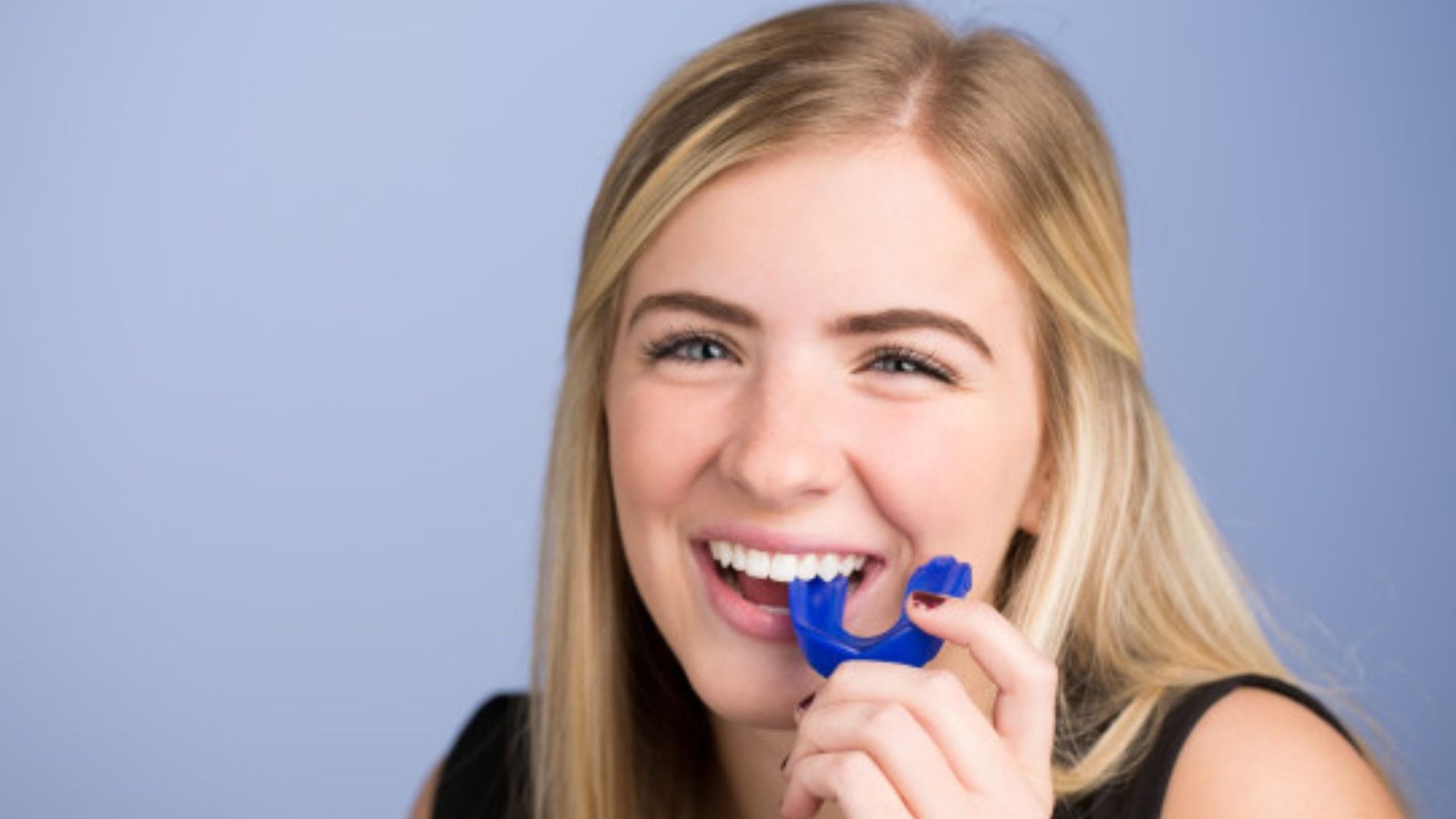
Sports bring joy, pride, and pressure. When your child wears braces, that pressure can turn into fear of a broken wire or chipped tooth. One hard hit from a ball or elbow can cut cheeks, tear lips, and damage braces. You want your child safe. You also want their orthodontic treatment to stay on track. A mouthguard is the simple shield that protects both. Yet many young athletes avoid it because it feels bulky, hurts, or “messes up” their breathing. This guide gives you three clear mouthguard tips that work with braces, not against them. You learn how to choose the right type, fit it without harming brackets, and build a habit your child accepts. If you ever feel unsure, you can ask your orthodontist in Atascocita, TX for extra help and a custom plan.
Tip 1: Choose a Mouthguard Made for Braces
You see many types of mouthguards in stores. Most are built for teeth without braces. Those can press on brackets and wires. That pressure can bend metal, slow treatment, and cause pain.
You need a style designed for braces. These have extra room in the front and along the sides. They let teeth move during treatment without pinching.
Use these three steps when you choose:
- Pick “for braces” on the label. Check the package for clear wording for braces or orthodontic. If the label is vague, skip it.
- Match upper and lower needs. If your child has braces on top only, a top guard is fine. If they have braces on both, ask about a double guard that covers both arches.
- Look for boil and bite only if approved. Some braces safe guards allow gentle shaping. Others should not be boiled. Read the maker’s steps and ask the orthodontist before you use hot water.
The American Dental Association explains that mouthguards help lower the risk of broken teeth and injuries to lips and tongue in contact sports.
Also Read : 3 Ways General Dentistry Creates Stronger Smiles For Children
Tip 2: Fit and Care for the Mouthguard the Right Way
A poor fit causes rubbing, sore spots, and weak protection. A good fit feels snug but not tight. It lets your child talk and breathe.
Follow this simple plan with your child’s orthodontist:
- Bring the guard to each braces visit. Ask the orthodontist or assistant to check fit after each wire change. Teeth move. The guard must match.
- Avoid reshaping at home unless told. Too much heat can warp the guard. It can also melt parts into brackets. Always follow written steps from the maker and the orthodontist.
- Trim only with guidance. If the guard feels too long in the back, do not guess. Ask which spots can be trimmed and which cannot.
Clean care keeps your child safe from germs and bad breath. It also keeps the plastic from breaking down fast.
- Rinse with cool water before and after each use.
- Brush gently with a toothbrush and mild soap. Do not use hot water.
- Let it air dry fully, then store it in a hard, vented case.
- Keep it away from pets and younger siblings.
The Centers for Disease Control and Prevention notes that sports and recreation are a common source of dental injuries in children and teens.
Also Read : COSO Framework Explained: The Ultimate Guide to Enterprise Risk Management
Tip 3: Help Your Child Use the Mouthguard Every Practice and Game
A mouthguard only helps when your child wears it. Many young athletes forget it or leave it in the bag on purpose. You can turn it into a simple habit.
Use a rule of three:
- Link it to gear. Place the guard in the same spot as cleats and helmet. Teach your child that sports gear is not complete without it.
- Set a coach rule. Ask the coach to treat the guard like a uniform piece. No guard means no play until it is in.
- Model and praise. If you play sports, wear your own guard. Praise your child when they remember to use it without a prompt.
Explain to your child what one hit can do. A single elbow can cut gums and lips on sharp brackets. A direct hit can break a tooth and bend wires. That can lead to extra visits, more time in braces, and higher costs. Honest facts help many teens accept the habit.
Comparison: Mouthguard Options for Braces
Use this table to compare common choices for young athletes with braces. Review it with your orthodontist before you buy.
| Type | Works With Braces | Fit Quality | Cost Level | Best For
|
|---|---|---|---|---|
| Standard store bought | Often poor | Loose and bulky | Low | Short term use after advice only |
| Braces specific store bought | Good | Better comfort and room for brackets | Low to medium | Most school and youth sports |
| Custom orthodontic mouthguard | Best | Snug fit with space for tooth movement | Higher | Contact sports and high impact play |
When to Replace a Mouthguard
A mouthguard does not last forever. Braces change. Teeth move. Plastic wears down. You should replace the guard when you see:
- Tears, cracks, or bite marks.
- Loose fit that makes it fall out.
- Pain or rubbing that does not stop.
- Any major change in braces or wires.
As a simple rule, plan for a new guard each sports season or at least once a year. Ask your orthodontist to check sooner if your child has a big growth spurt or starts a new contact sport.
Protecting Your Child’s Smile and Confidence
Sports shape courage and teamwork. Braces shape a healthy smile. A well chosen and well used mouthguard lets your child keep both. You protect teeth. You protect lips and cheeks. You protect the time and money you already put into treatment.
Talk with your child’s orthodontist before the next season starts. Bring up these three tips. Choose the right guard for braces. Fit and clean it with care. Build a steady habit at every practice and game. You give your young athlete safety and strength on the field and a strong smile off it.