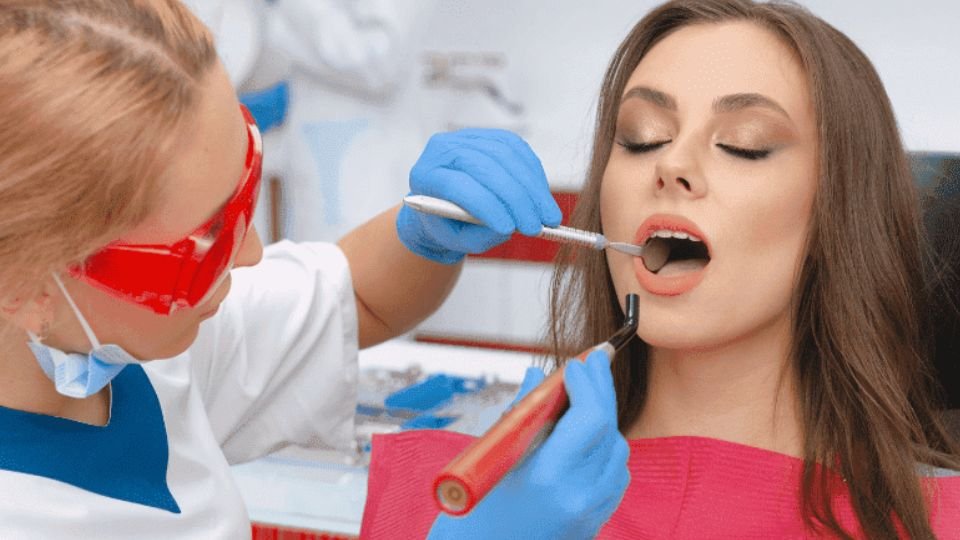
You may feel tempted to rush into cosmetic dental work. You want a brighter smile, straighter teeth, or “perfect” photos. Yet if your teeth or gums are damaged, any cosmetic work will sit on a weak base. Decay, infection, cracked teeth, or missing teeth do not go away with whitening or veneers. They grow. They spread. They hurt. First you need restorative care that repairs function and stops disease. Then cosmetic treatment can last. This order protects your health, your time, and your money. It also lowers your risk of sudden pain or dental emergencies later. For some people, this means fillings, crowns, or root canal treatment. For others, it may involve all on 4 dental implants in North Houston to replace failing teeth. When you repair the foundation first, cosmetic treatment looks better, feels better, and stands a real chance of staying strong.
Why function must come before appearance
Your mouth is part of your body. It affects how you eat, speak, and breathe. If you cover up problems instead of fixing them, you carry constant risk.
Common hidden problems include:
- Tooth decay under old fillings
- Gum disease that loosens teeth
- Cracks that reach the nerve
- Infections at the root of a tooth
- Worn teeth that change your bite
Cosmetic work on top of these problems can fail fast. A veneer can fall off. A whitening treatment can trigger sharp pain. A crown can break if the tooth under it is rotten. Restorative care fixes the cause. Cosmetic care then works as the final step, not a bandage.
Also Read : 4 Steps From Dental Referral To Orthodontic Treatment For Children
What restorative dentistry includes
Restorative dentistry focuses on repair. It helps you chew without pain and keeps infection from spreading. Common treatments include:
- Fillings. Remove decay and seal the hole.
- Root canal treatment. Clean infection from inside the tooth and save it.
- Crowns. Cover weak or cracked teeth so they can handle biting.
- Bridges. Replace missing teeth using nearby teeth for support.
- Dental implants. Replace missing teeth with posts in the jaw.
- Deep cleanings. Treat gum disease and remove hardened plaque.
The goal is simple. You need a pain free bite, stable teeth, and healthy gums. When you reach that point, cosmetic care becomes safer and more durable.
Also Read : How Family Dentistry Supports Growing Smiles And Aging Teeth
How untreated problems damage cosmetic work
Skipping restorative care can lead to three common troubles.
- Short life of cosmetic work. Decay under a veneer or crown grows. The tooth softens and the cosmetic piece loosens or breaks.
- Spread of infection. An untreated cavity or gum infection can spread to bone. This can lead to tooth loss and costly treatment.
- Worsening bite problems. If your bite is off, cosmetic changes can stress certain teeth. This can cause fractures or jaw pain.
The Centers for Disease Control and Prevention explains that untreated cavities and gum disease can lead to pain and tooth loss. They also affect eating and speaking.
Restorative vs cosmetic treatments
The two types of care often work together. Yet they serve different purposes. This simple table shows how they compare.
| Type of treatment | Main purpose | Common examples | What happens if skipped
|
|---|---|---|---|
| Restorative | Repair damage and stop disease | Fillings, crowns, root canals, implants | Ongoing pain and infection. Higher risk of tooth loss. |
| Cosmetic | Improve appearance of healthy teeth and gums | Whitening, veneers, bonding, cosmetic reshaping | No direct harm if skipped. Yet poor appearance may affect confidence. |
| Both combined | Restore function and appearance | Crown that repairs and also improves color and shape | If not planned in order, cosmetic parts may fail early. |
Why this order protects your whole health
Oral health links to heart disease, diabetes, and pregnancy outcomes. Infection in the mouth can strain your immune system. Pain can affect sleep and mood.
When you fix decay and gum disease first, you lower constant stress on your body. You also reduce sudden emergencies such as swelling or abscesses. This protects you, your family, and your budget.
Planning your care step by step
You can expect three main steps when you want a cosmetic change.
- Evaluation. Your dentist checks your teeth, gums, bite, and X-rays. You discuss pain, past treatment, and goals.
- Restorative phase. You complete needed fillings, crowns, cleanings, or implant work. You reach a stable, pain-free bite.
- Cosmetic phase. You and your dentist choose safe cosmetic options that match your repaired teeth and gums.
This path may feel slower at first. Yet it saves time later. You avoid repeat work and sudden crises. You also gain confidence that your new smile rests on strong teeth and healthy gums.
When to talk with your dentist
You should ask about restorative care before cosmetic procedures if you notice any of these signs:
- Tooth pain when you chew or drink cold liquids
- Gums that bleed when you brush or floss
- Loose teeth or spaces that are new
- Broken fillings or chipped teeth
- Bad breath that does not improve with brushing
Share your cosmetic goals. Then ask a clear question. “What needs to be repaired first so cosmetic treatment will last?” This keeps your care safe, steady, and honest.
When you place restorative dentistry first, you protect your health and your smile. You also give any cosmetic work a real chance to stay strong and look natural for many years.