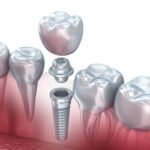
Preventive dentistry is not only about your next checkup. It is about your children and their children. When you brush, floss, and see a dentist on time, you cut the risk of pain, infection, and lost teeth. You also lower the chance that your child will face costly treatment like crowns, root canals, or dental implants in La Verne. Each simple habit you keep at home sends a clear message. Teeth matter. Health matters. You teach this without a speech. Instead, your child watches you schedule cleanings, choose water over soda, and wear a mouthguard. These steady choices protect your family from stress, missed school, and fear in the dental chair. They also save money you can use for food, rent, or college. When you protect your mouth today, you give your family a strong start that lasts for decades.
How Your Habits Shape Your Child’s Health
Children copy what they see. They notice if you brush before bed. They notice if you rush out the door without it. They see if you avoid the dentist. They also see if you go, sit, and get care.
When you treat your mouth with care, you give your child three powerful lessons.
- Teeth are part of the body, not separate.
- Care now prevents pain later.
- Facing fear is possible when you prepare.
The Centers for Disease Control and Prevention explains that tooth decay is one of the most common chronic conditions in children, yet it is preventable.
Also Read : 3 Signs It’s Time To Schedule A Visit With Your General Dentist
Simple Daily Steps That Protect Your Family
You do not need special tools. You need steady habits that you repeat every day.
For both you and your child, aim for three basics.
- Brush twice a day with fluoride toothpaste.
- Clean between teeth once a day with floss or another tool.
- Drink tap water with fluoride and limit sugary drinks and snacks.
The National Institute of Dental and Craniofacial Research gives clear guidance on these steps. See the NIDCR page on preventing tooth decay for simple tips you can use at home.
Then add three more habits.
- Schedule regular checkups and cleanings.
- Ask about fluoride varnish and sealants for children.
- Use a mouthguard for sports and any contact activity.
These steps are small. The impact on your child’s health and confidence is large.
Also Read : 6 Tips For Choosing The Right Cosmetic Dentist
Preventive Care Versus Treatment Later
Many parents wait until a tooth hurts. By that point, damage has spread. Treatment needs more visits, more shots, and more cost. Routine care catches small problems early. Sometimes it stops them before they start.
The table below shows a simple comparison. Costs are rough national ranges and may differ in your community. The pattern still holds. Prevention is less painful and less costly than repair.
| Type of care | Typical purpose | Child experience | Approximate cost range per visit
|
|---|---|---|---|
| Routine exam and cleaning | Check teeth and gums. Remove plaque and tartar. | Short visit. Mild scraping. Little stress. | $75 to $200 |
| Fluoride treatment | Strengthen enamel. Reduce decay risk. | Quick gel or varnish. No shots. | $20 to $50 |
| Dental sealant on a molar | Protect deep grooves from decay. | Painted coating. No drilling. | $30 to $60 per tooth |
| Small filling | Repair early cavity. | May need numbing. Drill noise and pressure. | $150 to $300 per tooth |
| Root canal and crown | Treat severe decay and save tooth. | Long visit. Shots. Several steps. | $900 to $2,000 or more |
| Tooth removal and replacement | Remove tooth that cannot be saved. | Shots. Possible swelling. Many visits for replacement. | $150 for removal. Hundreds or thousands for replacement |
Regular checkups and home care keep your child on the top half of this table. That means shorter visits, less fear, and more trust in dentists.
How Prevention Protects Future Generations
Prevention does more than protect one mouth. It changes the story for your whole family.
First, it breaks a cycle of fear. Many adults avoid the dentist due to past pain. When your child grows up with calm visits and few emergencies, that fear does not pass on.
Second, it protects school and work. Tooth pain leads to missed days, poor sleep, and trouble focusing. Healthy mouths mean your child can learn, play, and work without this burden.
Third, it protects money across time. Teeth that stay strong need less repair. That means lower bills for your child when they are grown and paying their own way.
Special Steps For Children And Teens
Children and teens face key moments. Your guidance matters.
For babies and toddlers, you can:
- Wipe gums with a clean cloth before teeth appear.
- Start brushing as soon as the first tooth shows.
- Avoid putting a child to bed with a bottle of milk or juice.
For school age children, you can:
- Brush side by side to model good habits.
- Pack water and low sugar snacks.
- Ask the dentist about sealants on permanent molars.
For teens, you can:
- Talk about sugar drinks, vaping, and tobacco and how they harm teeth and gums.
- Set clear rules about mouthguards for sports and other physical contact.
- Encourage them to make and keep their own appointments.
Each stage builds skills your child will pass to their own children someday.
Taking The Next Step Today
You do not need a perfect past to start. If you have skipped visits or struggle with fear, you can still change the path for your family.
Begin with three clear actions.
- Call a dentist and set checkups for you and your child.
- Place toothbrushes, floss, and fluoride toothpaste where you both can see and reach them.
- Pick one sugary drink or snack to remove from your daily routine.
These changes look small. They protect smiles, health, and money for years. When you choose preventive dentistry today, you give strength, comfort, and dignity to the generations that follow you.