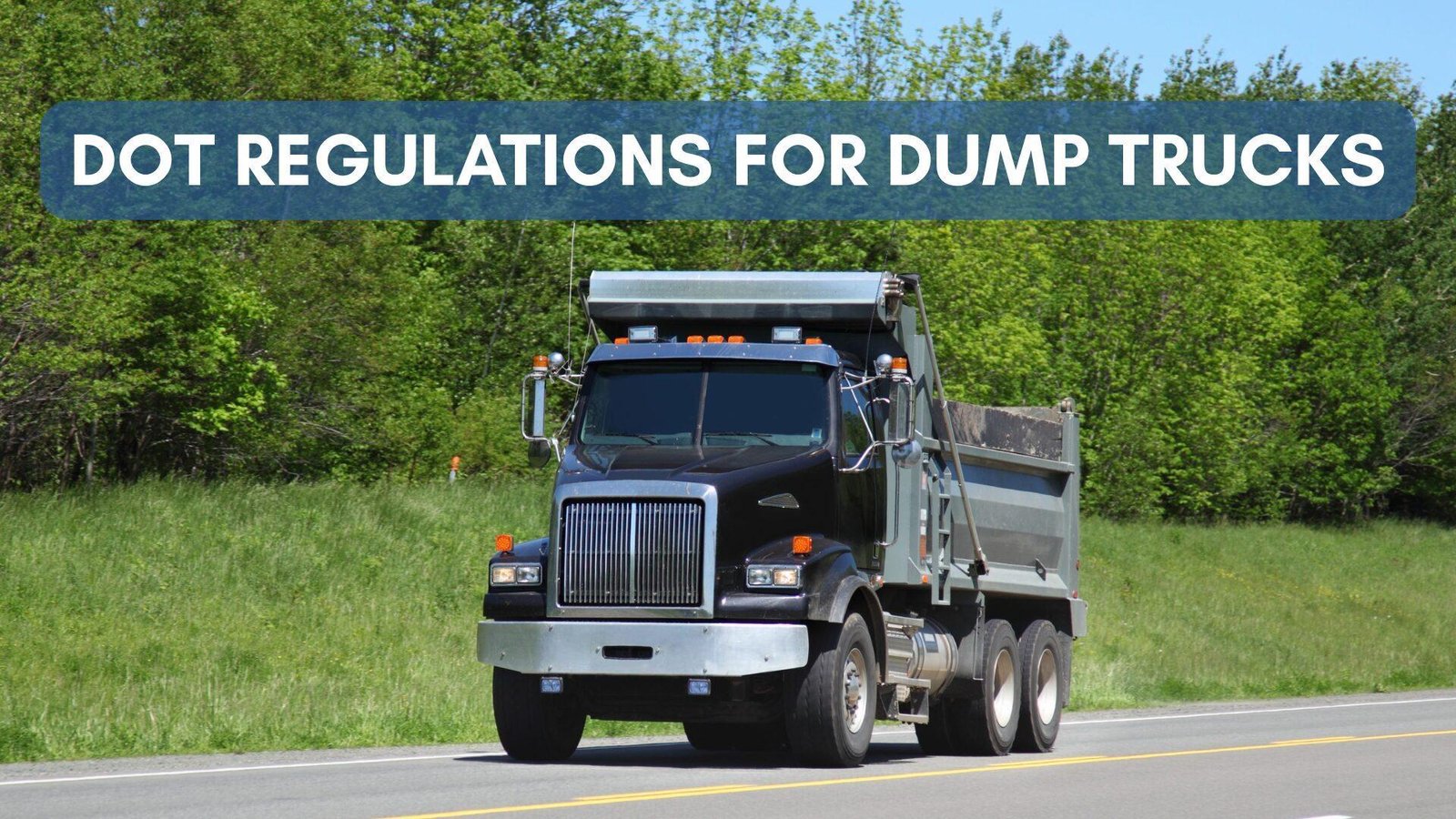
A single axle dump truck is a highly versatile vehicle widely used in construction, landscaping, municipal services, and other hauling tasks. Unlike tandem or tri-axle dump trucks, a single axle dump truck has just one rear axle paired with a front steering axle, giving it simpler mechanics, lighter weight, and better maneuverability. These trucks are ideal for moderate loads, typically up to 30,000–33,000 pounds gross vehicle weight, making them perfect for small to medium-sized projects and urban job sites with limited space.
Single axle dump trucks are celebrated for lower fuel consumption, reduced maintenance costs, and easier handling compared to heavier, multi-axle trucks. They are excellent tools for small contractors, landscapers, and fleet owners starting in hauling or material transport. This guide explores everything about single axle dump trucks—from structure and operation to maintenance, advantages, and safety—helping you understand how to get the best performance from these powerful yet efficient vehicles.
Understanding Single Axle Dump Trucks
A single axle dump truck is a vehicle designed to carry and unload materials such as gravel, soil, sand, or construction debris. Its defining feature is the two-axle setup: one steering axle in front and one drive axle at the rear. The rear axle supports the load and powers the truck, while the front axle provides steering control.
The dump body, mounted on the chassis, is typically made of heavy-duty steel. It is equipped with a hydraulic lift system that allows the operator to tilt the bed and unload materials efficiently. The simplicity of a single axle design makes it easier to operate, maintain, and navigate through urban streets or confined construction sites.
Also Read : IronMartOnline Reviews Legit Heavy Equipment Marketplace?
Structure and Components
Chassis and Suspension
The chassis of a single axle dump truck is designed to support moderate loads while ensuring stability and maneuverability. The suspension system is simpler than tandem trucks, reducing maintenance needs and making the ride smoother for lighter loads.
Dump Body
The dump body is the cargo area that carries materials. It is mounted on hinges at the rear and lifts via a hydraulic cylinder to dump its contents. Materials are unloaded quickly and efficiently by tilting the bed, often with precise controls inside the cab.
Hydraulic System
The hydraulic system powers the lifting mechanism of the dump body. Proper maintenance of hydraulic hoses, cylinders, and fluid levels is critical to safe and efficient dumping operations.
Other Features
-
Cab with operator controls
-
Safety latches and pins for secure transport
-
Lights, mirrors, and other standard truck components
Also Read : The Rise and Influence of Internet Chicks
Key Applications
Single axle dump trucks are perfect for projects requiring moderate hauling with frequent loading and unloading. Common applications include:
-
Construction: Transporting soil, sand, gravel, and debris to and from job sites.
-
Landscaping: Delivering topsoil, mulch, rocks, and other materials to residential or commercial properties.
-
Municipal Services: Hauling construction waste, snow, or street repair materials.
-
Small Demolition Projects: Carrying debris from minor demolition sites.
Because they are lighter and more maneuverable than tandem trucks, single axle dumps are especially useful in areas with tight access or urban streets.
How to Operate a Single Axle Dump Truck
Step 1: Pre-Operation Checks
Before starting, perform a thorough inspection:
-
Check tire pressure and tread
-
Inspect brakes and fluid levels
-
Examine the hydraulic system for leaks
-
Ensure dump body latches and safety pins are secure
Step 2: Loading
-
Distribute the load evenly to maintain balance
-
Avoid exceeding the truck’s weight capacity
-
Keep heavy materials low to prevent tipping
Step 3: Driving
-
Drive at moderate speeds, especially on rough terrain
-
Be cautious during turns and braking
-
Maintain safe distances when carrying loads
Step 4: Dumping
-
Park on level ground whenever possible
-
Engage the parking brake
-
Lift the dump body using the hydraulic control
-
Ensure no one is behind the truck during dumping
Maintenance for Longevity
Routine maintenance ensures safety, reliability, and long-term cost efficiency:
-
Daily Checks: Inspect tires, fluids, lights, and hydraulic hoses.
-
Regular Service: Change engine oil, filters, and lubricate pivot points.
-
Seasonal Inspections: Check brakes, suspension, and frame for wear or corrosion.
Preventive maintenance reduces downtime and keeps your truck performing at its best.
Benefits of Single Axle Dump Trucks
Cost Efficiency
Lower purchase and maintenance costs compared to multi-axle trucks make them a smart investment for smaller operations.
Fuel Economy
Lighter weight improves fuel efficiency, reducing operating expenses.
Maneuverability
A single axle design allows easier navigation in tight spaces and urban areas.
Ease of Maintenance
Fewer mechanical components simplify repairs and lower maintenance costs.
Flexibility
Ideal for small fleets, startup businesses, and projects requiring moderate hauling capabilities.
Single Axle vs. Tandem Axle
| Feature | Single Axle | Tandem Axle |
|---|---|---|
| Axles | 2 | 3 or more |
| Load Capacity | Moderate | High |
| Maneuverability | High | Lower |
| Fuel Efficiency | Higher | Lower |
| Maintenance | Easier | More complex |
| Best Use | Small-to-medium loads, tight areas | Heavy loads, rough terrain |
Single axle trucks are ideal for urban jobs and moderate material transport, while tandem axles are better for heavy-duty hauling and long-distance jobs.
Safety Tips for Operators
-
Always perform pre-trip inspections
-
Maintain proper load distribution
-
Dump materials on level ground
-
Keep hands and feet clear of moving parts
-
Use seat belts and other protective equipment
Proper safety measures prevent accidents and enhance operational efficiency.
Read More: IronMartOnline Reviews Legit Heavy Equipment Marketplace?
Conclusion
Single axle dump trucks provide a reliable, versatile, and cost-effective solution for hauling moderate loads. Their lighter weight, simple mechanics, and ease of maneuverability make them ideal for small construction projects, landscaping, municipal work, and urban hauling. By following proper operating procedures, performing routine maintenance, and prioritizing safety, operators can maximize the efficiency and longevity of these trucks.
For small businesses or contractors starting in the hauling industry, single axle dump trucks offer the perfect balance between affordability, functionality, and performance. Understanding their features, load capacities, and best practices allows operators to achieve smoother operations, lower operating costs, and increased productivity. With the right knowledge, single axle dump trucks can serve as a dependable workhorse on any job site, providing years of safe, efficient hauling.
FAQs
1. What is a single axle dump truck?
A truck with one rear drive axle and one front steering axle, designed for moderate loads and easier maneuvering.
2. What is the typical weight limit for a single axle dump truck?
Usually up to 30,000–33,000 pounds gross vehicle weight depending on the model.
3. Are single axle dump trucks easier to drive than tandem trucks?
Yes. They are lighter, have a shorter turning radius, and are easier to handle in tight spaces.
4. What jobs are best suited for single axle dump trucks?
Small-to-medium construction, landscaping, municipal hauling, and minor demolition projects.
5. How do single axle trucks compare to tandem axle trucks?
Single axle trucks are more cost-effective, fuel-efficient, and maneuverable, while tandem trucks carry heavier loads and provide better stability on rough terrains.