Modern general dentistry uses new tools to give you faster care, less pain, and clearer answers. Today your dentist can spot small problems before you feel them. Digital X rays show sharp images with less radiation. Intraoral cameras let you see what your dentist sees. Computer guided design can shape crowns that fit the first time. Even numbing can be more exact, so you stay comfortable and calm. This change is not just for big cities. Local clinics and dentists in Richmond Hill, ON now use many of these tools every day. You get shorter visits, fewer surprises, and treatment that matches your needs. You also gain more control, because you can see your teeth on a screen and understand each choice. This blog explains how these modern tools work in general dentistry and how they protect your mouth, your time, and your money.
Digital X rays that respect your safety
Traditional X rays worked. Yet they took time and used more radiation. Digital X rays change that. They use sensors that capture images on a computer screen in seconds. This helps you in three clear ways.
- Less radiation for you and your child
- Faster images and shorter visits
- Sharper detail so your dentist can see tiny changes
The Food and Drug Administration explains that dental X rays use low doses when used with care.
Also Read : How Accounting Firms Support Crisis And Turnaround Management
Intraoral cameras that put you in the chair with your dentist
It is hard to trust what you cannot see. An intraoral camera is a small camera that your dentist moves around your mouth. You see real time images on a screen.
This helps you:
- See cracks, stains, or worn spots for yourself
- Understand why a filling, crown, or cleaning is needed
- Watch changes over time and track your progress
Instead of guessing, you and your dentist can talk while you both look at the same picture. This can lower fear and help your child feel safe, because nothing is hidden.
Also Read : How Family Dentistry Creates Lifelong Habits Through Repetition
CAD CAM crowns and fillings in fewer visits
Old crown work often needed several visits. You had to wear a temporary crown and wait for a lab. Today many clinics use CAD CAM tools. These tools scan your tooth, design the new crown on a computer, and shape it in the office.
For you and your family this means:
- Fewer shots and fewer visits
- No messy impression trays
- A crown that often fits right away
Your dentist can also use this same tool for some fillings and onlays. The result is a strong repair that matches your bite and your smile.
Clear aligners and 3D planning for straighter teeth
Metal braces still work well. Yet clear aligners give many people another choice. Your dentist uses a scanner to capture a 3D image of your teeth. Then software plans each small step of movement.
You get:
- Removable trays that make brushing and flossing easier
- Computer images that show your expected result
- More precise control over how each tooth moves
This planning can help reduce surprises and keep your bite stable. It can also help teens who feel shy about metal brackets feel more at ease.
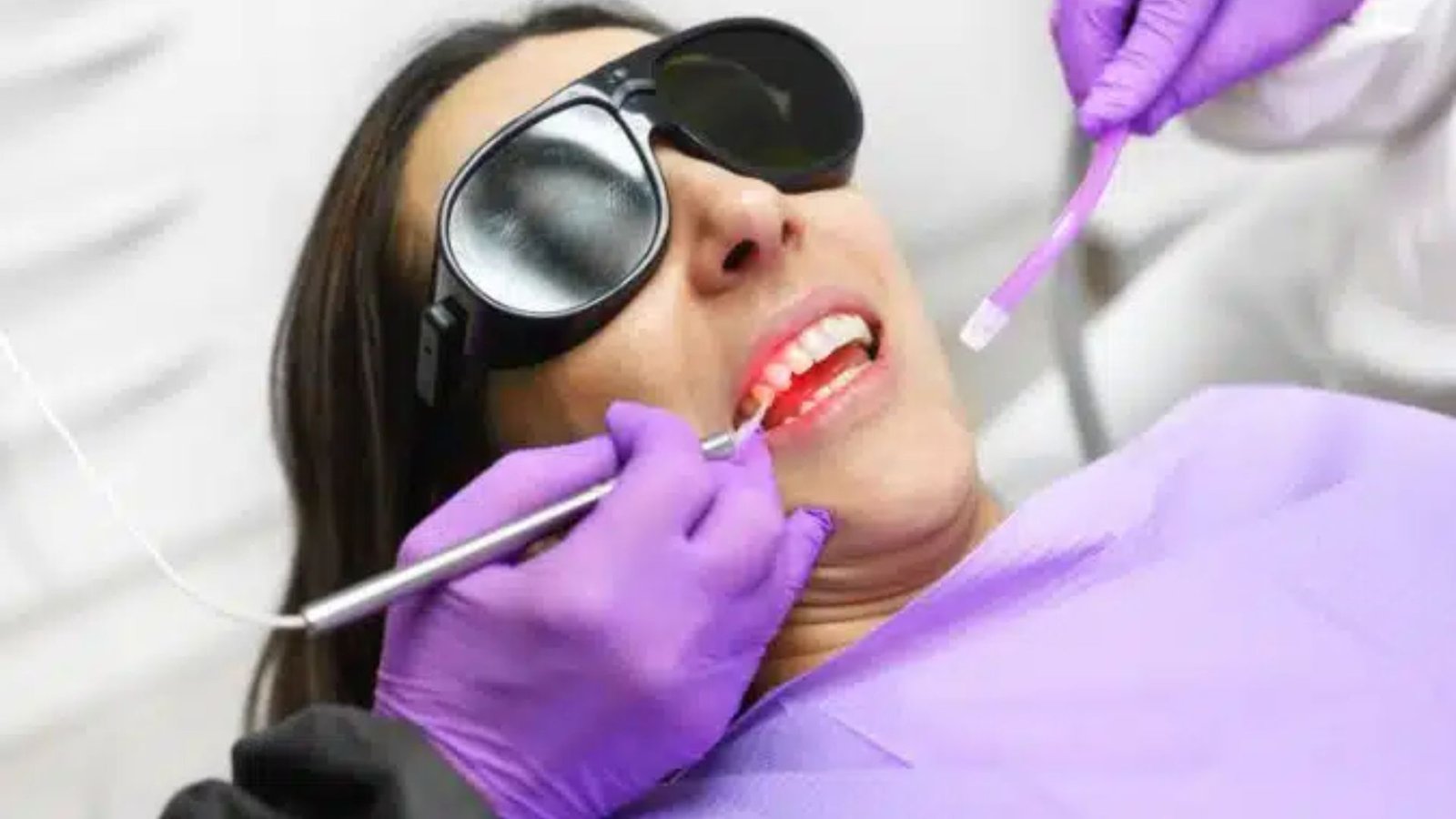
Lasers for gum care and small repairs
Dental lasers use light energy to work on soft tissue or hard tissue. Some general dentists use lasers to treat gums, clean out decay, or reshape tissue.
In many cases you may notice:
- Less bleeding during gum treatment
- Less need for stitches
- Shorter healing time
Lasers are not magic. They are one more tool in a full set. Your dentist still chooses the method that fits your mouth, your health, and your goals.
Digital records and reminders that keep you on track
Modern dentistry is not just tools in your mouth. It is also digital charts, secure email, and text reminders. These systems help your dentist track your health and spot patterns.
With digital records your dentist can:
- Compare X rays and photos across many years
- See how fast a cavity grows
- Share records with a specialist when needed
This can prevent missed problems and help you keep regular cleanings, which lowers your risk for pain and urgent visits.
How modern tools change your visit
Here is a simple comparison of common steps in a visit, with and without modern tools.
| Type of care | Traditional approach | Modern technology approach
|
|---|---|---|
| X rays | Film X rays. Longer wait. More radiation. | Digital X rays. Fast images. Less radiation. |
| Exam | Mirror and light. Dentist explains what you cannot see. | Intraoral camera. You and your dentist view the same images. |
| Crowns | Impression trays. Lab visit. Temporary crown. | CAD CAM scan. Same day or faster crown. Fewer visits. |
| Braces | Metal brackets and wires. Limited preview of result. | Clear aligners with 3D plan. Visual model of tooth movement. |
| Gum care | Scalpel and stitches for some gum work. | Laser for some cases. Less bleeding. Faster healing. |
Safety and science behind the tools
You might wonder if all this technology is safe. That concern is fair. General dentists who use these tools follow science based rules and training. They also follow guidance from trusted groups such as the American Dental Association.
Key points for you and your family:
- Modern tools do not replace skill. They support it.
- Your dentist still checks your mouth by hand and by sight.
- Good basic care at home still matters more than any device.
How you can use this information
You do not need to know every brand name or model. You only need to ask clear questions. You can ask your dentist:
- What digital tools do you use and why
- How these tools change my treatment plan
- How they protect my safety and comfort
You can also ask to see your X rays and photos on the screen. You have the right to understand what is happening in your own mouth.
Modern general dentistry uses technology to give you more control, less fear, and better results. When you choose a dentist who uses these tools with care, you protect your teeth, your health, and your peace of mind.