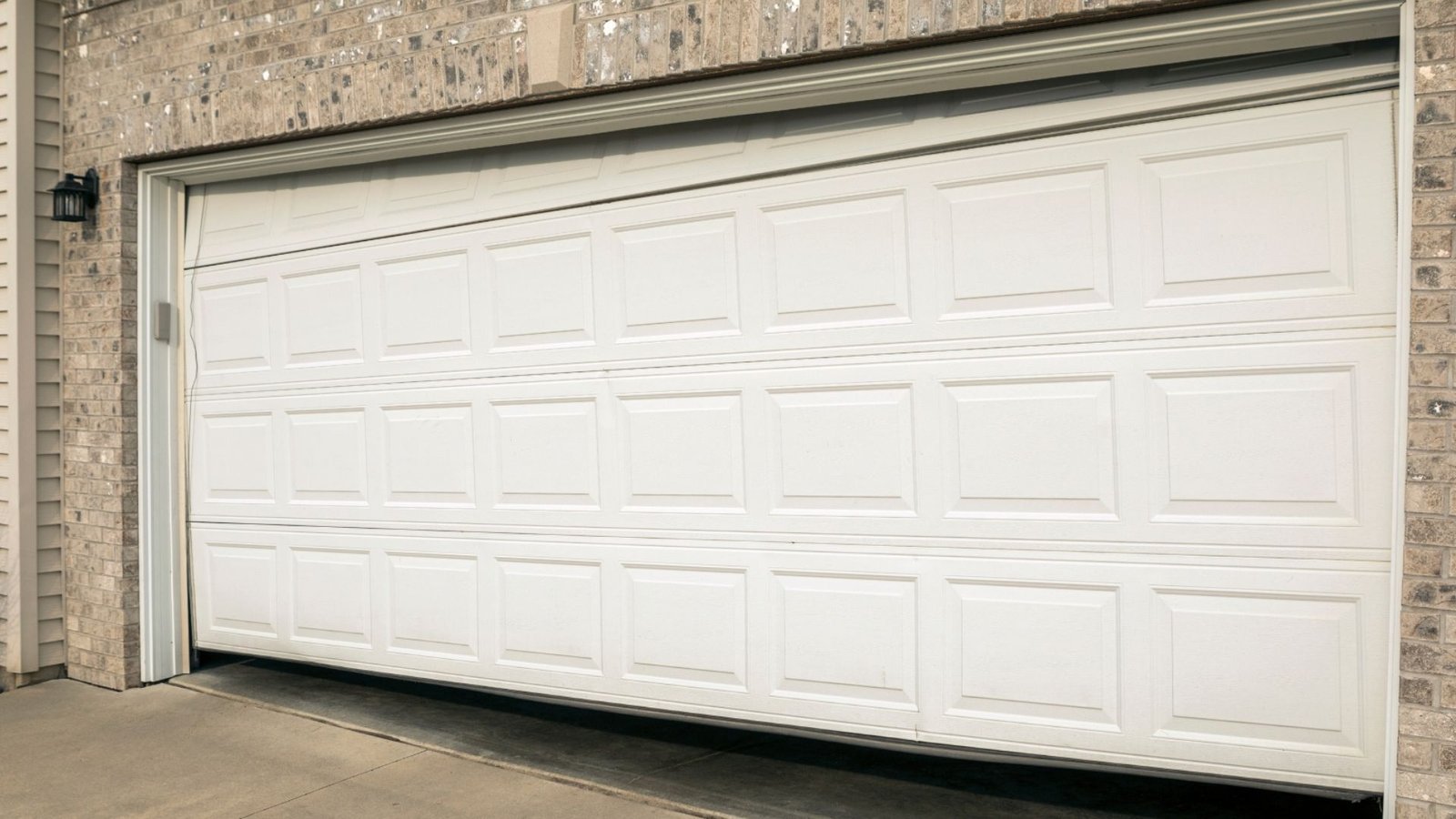
When cold mornings arrive in the Pacific Northwest, many homeowners begin searching for help with a garage door Bellevue residents can rely on for consistent performance. A recurring issue every winter is the morning garage jam—that frustrating moment when the door refuses to budge or moves only a few inches before stopping. In Bellevue, this problem appears far more often than people expect, and the causes are rooted in the area’s unique climate conditions and the way garage systems respond to freezing temperatures.
This article breaks down the scientific, environmental, and mechanical factors behind sticking doors, frozen garage door components, slow openers, and erratic movement during low-temperature periods. It also offers actionable maintenance insights tailored specifically for Bellevue homes.
How Bellevue’s Microclimate Triggers Temperature-Based Door Problems
Bellevue has cold air that settles low in the early morning. The air comes down from the hills and moves across neighborhoods. The cold stays close to the ground, and this makes many garages colder than the rest of the home. When the garage cools down fast overnight, the door parts get stiff. The rollers, the tracks and the hinges all feel tight. This makes the door harder to move in the morning. Many people think something big is broken, but the cold air alone can slow the door.
Morning frost forms on metal. Even a tiny layer makes the door stick when it tries to move. The opener feels the extra pull and stops. The frost also gathers on tracks and rollers. When the frost melts later in the day, the door suddenly works fine again. This is why so many people only see trouble early in the day.
Bellevue has a lot of moisture. The wet air settles on metal at night. When the temperature drops, the water turns to ice. The ice forms in small amounts, but that small amount makes a big change. It stops the rollers from turning smoothly. It makes the tracks feel narrow. It adds drag to the door. This creates many Bellevue garage issues during winter mornings when the parts are still cold.
Also Read : The Family-Owned Company Competing With Corporate Chains – and Winning
Thermal Contraction and the Mystery of Overnight Sticking
Metal gets smaller when it gets cold. The parts on a garage door are metal, and they all tighten when the temperature goes down. Even a tiny amount of shrinkage changes how the door moves. A hinge that moves fine in warm weather may feel tight in cold weather. A roller stem might not line up like before. A bracket might shift by a small amount. All these small changes add up and make the door hard to lift in the morning.
Springs lose some of their power in cold air. When a spring is cold, it does not help lift the door as well. This puts more strain on the opener. The opener tries to pull the door, but the door feels too heavy. This is why a door that worked fine all summer might stop halfway in winter. The cold slows everything down and the parts do not help each other the way they should.
Also Read : 3 Signs It’s Time To Schedule A Visit With Your General Dentist
Frozen Weather Stripping and Its Role in Morning Malfunctions
The weather seal at the bottom of the door keeps out drafts and bugs. When the night is cold and the ground is wet, the bottom seal freezes to the concrete. This creates a frozen door seal that sticks to the ground. The opener tries to lift the door and cannot break the seal. The opener senses trouble and stops. The homeowner thinks the opener is broken, but the seal is the real reason the door will not move.
The cold also makes the seal stiff. When the seal cannot bend, the door has to push harder against it when rising. This increases drag at the start of the lift. Many people hear the opener hum and stop. They try again, and it stops again. The seal fights the opener until the ice melts or the temperature rises.
Lubrication Breakdown in Sub Freezing Conditions
Lubricants turn thick when they get cold. Many garages use regular oil or grease. In the morning, these products turn sticky. The rollers cannot spin well. The hinges feel stiff. The bearings inside the rollers do not move freely. The opener must work harder to move every part. Over time, this makes the whole system wear out faster.
When the lubricant turns thick, the door slows down. It may jerk or stutter. It may stop midway. Many people think the opener is weak, but the real problem is the thick old lubricant. A winter lubrication fix helps the door move better. Products made for cold weather stay smooth even when the temperature drops. This means the parts can move freely and the opener does not struggle as much.
The Impact of Humidity on Track Alignment Overnight
Moisture plays a big part in garage track alignment problems. Water in the air settles on the metal parts. When the cold hits, the water grows as it freezes. The growth pushes on small bolts and brackets. This can make the tracks shift. The shift may be tiny, but tiny is enough to cause problems.
If the tracks are not straight, the rollers catch. The door may lean to one side while rising. The opener feels this pull and slows down. The door may squeak or grind. Some people hear popping sounds when the door moves. These sounds come from the parts trying to move even though the alignment is off. The alignment may fix itself when the ice melts later, but the morning is still a challenge.
Motor Strain and Slow Startup in Cold Temperatures
Garage door openers do not like cold air. The gears inside get stiff. The small parts inside the motor move slower. The thick grease inside the opener makes the gears drag. When the homeowner presses the button, the opener tries to start but hesitates. It may buzz. It may move very slowly at first. This is common for a cold climate opener that is not built for winter conditions.
The cold also weakens the electrical parts inside the opener. The parts that help the motor start strong do not work as well in freezing temperatures. The opener may start weakly or stop quickly. Some homeowners think the opener is old, but the real issue is the cold slowing down the internal movement.
Insulation Gaps That Make Garage Interiors Drop Too Low
Many garages in Bellevue have little insulation. When the outside temperature drops, the cold air enters the garage through cracks, walls and thin door panels. This makes the inside of the garage almost as cold as outside. The metal inside the door system becomes very cold. The lubrication becomes thick. The weather stripping becomes hard. The rollers become stiff.
A garage that loses heat fast makes a low temperature garage every night. The cold inside the space creates more problems than homeowners realize. It also increases condensation. The condensation freezes and makes the morning problems worse. A small gap in insulation can make the whole system feel colder and heavier.
Cable Tension Shifts When Temperatures Plunge
Lift cables also react to cold air. When the cables get cold, they tighten slightly. The pulleys may respond differently and shift by a tiny amount. These shifts change the balance of the door. One side may rise faster than the other. One cable may feel too tight while the other feels loose. The door may shake when rising. Sometimes the cable jumps slightly out of place on the drum. These changes happen overnight and surprise homeowners in the morning.
Cold cables can create a binding effect. The binding makes the door feel stuck. Many homeowners think the cable is broken, but the cold has simply changed its position. This small change is enough to slow the rise of the door. It may cause early morning jams until the temperature increases.
Pre Winter Adjustments Bellevue Homeowners Should Consider
Many homeowners in Bellevue benefit from a tune up before winter. A tune up helps keep the door ready for cold mornings. A professional checks the balance of the door. The tracks are checked for proper spacing. The hinges are inspected. The rollers are tested. The opener is tested for strength. The weather stripping is checked to make sure it will not freeze too easily.
A good tune up prevents many winter garage maintenance problems. Small fixes made before the cold arrives stop big problems later. If the parts move well before the temperature drops, they will move better when the morning is cold.
Selecting Cold Climate Lubricants and Components
Not all parts work well in a cold weather garage. Some rollers make noise in the cold. Some hinges tighten too much. Some lubricants turn thick. Homeowners who want better winter performance should choose parts made to handle freezing temperatures.
These parts include rollers with sealed bearings. These rollers do not let moisture inside. They move smoothly even when the air is cold. Nylon rollers move quietly and do not stiffen like metal ones. Cold friendly lubricants stay soft in freezing temperatures. Low temperature weather stripping bends even when cold and does not freeze to the ground as easily.
Upgrading to these parts makes the door smoother and stronger during winter.
Daily Habits That Reduce Morning Jam Risks
Small habits help prevent morning garage jam problems. Before pressing the button, some homeowners pull gently on the bottom of the door to break any frozen seal. This takes only a few seconds. If the door seems stuck, warming the area with a small heater for a short time can help. Some people open the door a little at night and close it again to keep frost from settling deeply into the tracks.
Keeping the garage floor dry also reduces freezing. Wiping away small puddles keeps the bottom seal from sticking. If the rollers or tracks looked frosted, a quick wipe can make the morning easier.
Doing these small things helps the opener move the door without strain.
Why Professional Alignment Matters During Cold Months
A trained technician sees alignment problems that homeowners cannot see. During cold months, small shifts become big problems. A door that is only slightly off may stick every morning. A technician checks the tracks, rollers, cables and springs. They make sure every part sits in the right place. If the opener needs more strength or less strength, the technician adjusts it.
Many Bellevue garage issues come from alignment that looks fine in warm weather but fails in cold weather. When the alignment is corrected by a professional, the door moves better even when the temperature drops overnight.
Frequently Asked Questions (FAQ)
- Why does my garage door get stuck only in the morning
- The morning is the coldest time. Frost forms. Lubricant turns thick. Metal parts shrink. Moisture freezes. All these things make the door harder to move.
- How can I stop my door from freezing shut
- Keeping the bottom seal dry helps. Using a cold friendly protectant on the seal can help stop a frozen bond between the seal and the concrete.
- Why does my opener move slowly in winter
- Cold temperatures slow down the gears and parts inside the opener. This makes a cold climate opener start slowly.
- Why does my door only jam when it is below freezing
- The door parts change shape slightly in cold weather. The lubricant thickens. The seal sticks. All of this causes jams.
- Should I service my garage door before winter
- A pre winter check up helps prevent many winter problems. A tune up helps the door move better in cold weather.