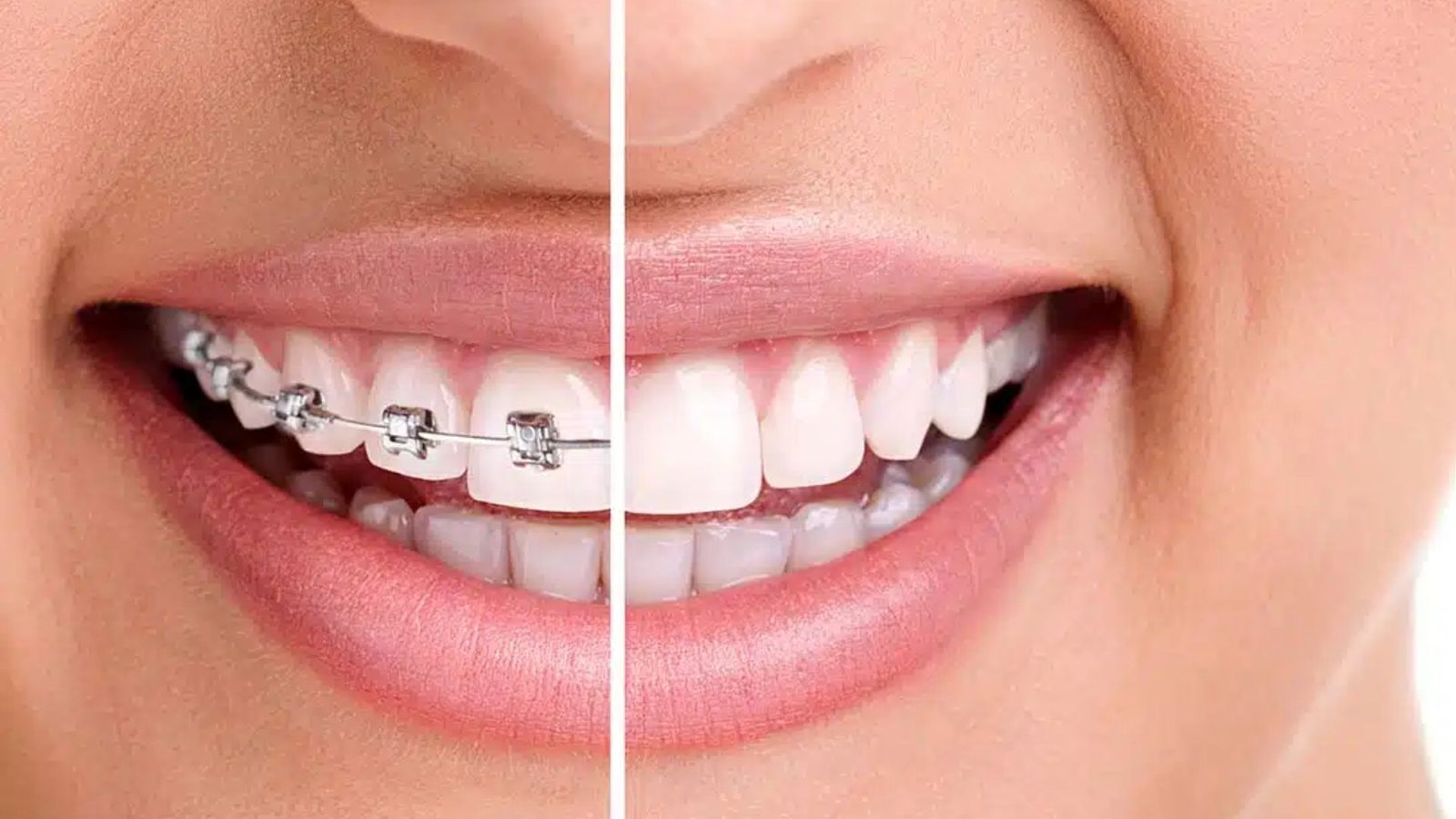
Your teeth do more than shape your smile. They guide how you speak and how you chew every meal. When teeth or jaws do not line up, you may bite your cheek, struggle to say certain sounds, or feel tired after eating. You might think this is just part of life. It is not. Targeted orthodontic care can bring real relief. It can help you form words clearly. It can help you break down food with less strain. It can also protect your jaw joints from constant pressure. A Carmel, Indiana orthodontic clinic can identify where your bite or tooth position holds you back. Then it can create a clear plan that fits your needs. This blog explains how straightening teeth and guiding jaw growth can support speech, chewing, and daily comfort. You deserve a mouth that works as hard as you do.
How Teeth Position Affects Speech
Speech depends on how your tongue, lips, and teeth work together. When teeth crowd, tip forward, or leave large gaps, they change how air and sound move out of your mouth.
Common tooth and jaw problems that affect speech include:
- Front teeth that stick out
- Spaces between front teeth
- Upper and lower teeth that do not touch
- Severe overbite or underbite
These problems can cause:
- Lisping on sounds like “s,” “z,” or “sh”
- Distorted “t,” “d,” or “n” sounds
- Muffled speech because the tongue has limited space
Orthodontic treatment changes the shape of the space inside your mouth. Then your tongue can hit the right spots more easily. Many people find that words feel smoother and more natural after treatment.
Also Read : Managing Complex Cases: Implant Dentistry In Patients With Bone Loss
How Bite Problems Interfere With Chewing
Chewing is your first step in digestion. When your bite does not fit, you work harder to crush food. That can lead to larger food pieces, more swallowing effort, and stomach upset.
The National Institute of Dental and Craniofacial Research explains that a well-aligned bite spreads chewing forces more evenly across teeth. You protect tooth enamel and reduce strain on jaw joints.
Common bite problems that interfere with chewing include:
- Deep bite where upper front teeth cover most of the lower
- Open bite where front teeth do not meet
- Crossbite where upper teeth bite inside lower teeth
These can cause:
- Cheek or tongue biting
- Jaw fatigue while eating
- Uneven tooth wear
Also Read : 5 Reasons Accounting Firms Are Indispensable In M&A Deals
Types Of Orthodontic Treatments That Help
Orthodontic services match your age, growth stage, and goals. Each option changes how your teeth and jaws guide speech and chewing.
Common Orthodontic Options And How They Support Function
| Treatment type | Main purpose | Speech benefits | Chewing benefits
|
|---|---|---|---|
| Traditional braces | Move teeth into better alignment | Create smoother tongue contact points for clearer sounds | Improve bite contact so teeth share chewing forces |
| Clear aligners | Straighten teeth with removable trays | Reduce crowding that disrupts tongue movement | Guide teeth into positions that crush food more evenly |
| Palatal expanders | Widen the upper jaw in growing children | Increase tongue space for easier word formation | Correct crossbite so back teeth meet correctly |
| Functional appliances | Guide jaw growth in children and teens | Align jaws so lips and tongue work together during speech | Improve jaw position for stronger, more balanced chewing |
When To Consider Orthodontic Care For Speech Or Chewing
You can seek help at any age. Yet some moments call for faster action.
Consider an evaluation if you notice:
- Speech sounds that stay unclear after speech therapy
- Cheek or tongue biting during most meals
- Jaw soreness or headaches after chewing tough food
- Front teeth that do not meet when you bite down
- Teeth that grind or chip easily
The American Dental Association advises that children see an orthodontic specialist by age 7. Early visits do not always lead to treatment. They do allow the provider to watch growth and act at the right time. You can explore this guidance on the MouthHealthy resource from the American Dental Association.
What To Expect During An Orthodontic Evaluation
The first visit focuses on listening and planning. You describe speech or chewing concerns. Do you share any history of jaw pain or tooth grinding?
The orthodontic team may:
- Check how your teeth fit when you bite
- Watch how you move your jaw when you talk and chew
- Take pictures or scans of your teeth and jaws
- Review growth patterns for children and teens
You then receive clear options. You learn how each choice may affect speech, chewing, time, and daily life. You decide what fits your goals and routines.
Supporting Your Speech And Chewing During Treatment
Braces or aligners may feel strange at first. You might notice temporary changes in speech. You might need softer foods while your mouth adjusts. These shifts usually fade as your muscles learn new patterns.
You can support your progress when you:
- Practice reading aloud to adjust to new tooth positions
- Cut food into smaller pieces to ease chewing
- Follow cleaning instructions to keep teeth and gums healthy
Consistent care protects your results. You guard the gains in speech clarity and chewing comfort that you worked to build.
Long Term Benefits For You And Your Family
Orthodontic treatment is not only about looks. It shapes how you eat, speak, and interact with others. Clear speech can ease school and work stress. Comfortable chewing can support better food choices and digestion. A stable bite can reduce tooth wear and jaw strain over many years.
When you invest in orthodontic care for yourself or your child, you support daily function. You also build a foundation for future health and comfort. You deserve teeth and jaws that help you speak your truth and enjoy every meal without struggle.