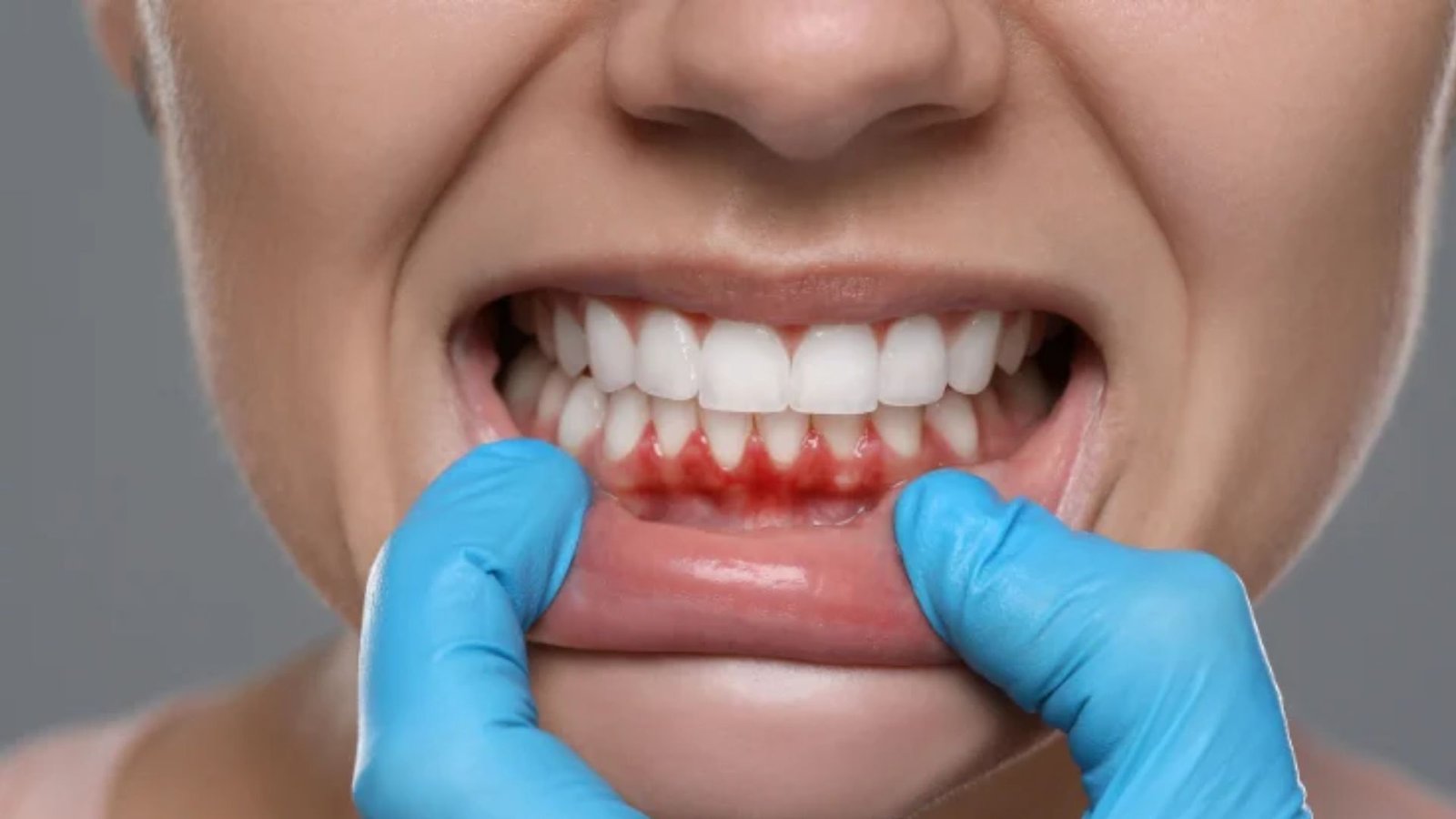
Gum disease can start small. You might see a little blood when you brush. You might notice a bad taste that will not go away. Then life gets busy and you ignore it. That choice can harm your whole body. Gum disease links to heart disease, diabetes, pregnancy problems, and even breathing trouble. Your mouth is not separate from the rest of you. Infection in your gums can strain your immune system and raise silent inflammation in your body. That pressure can weaken your heart, your blood sugar control, and your energy. The good news is you can act early. You can protect your gums and lower risk for other health problems. This blog explains how gum disease starts, how it spreads, and how treatment works. It also shows how periodontal services in Webster, TX can support your health and help you feel steady control again.
What Gum Disease Really Is
Gum disease is an infection of the tissue that holds your teeth. It often starts with plaque. Plaque is a sticky film of germs that sits on your teeth. If you do not clean it away, it hardens into tartar. Then your gums swell and pull away from your teeth.
There are two main stages.
- Gingivitis. Gums look red. They bleed when you brush or floss. Teeth still feel firm.
- Periodontitis. Gums pull back. Pockets form around teeth. Bone starts to break down. Teeth may loosen.
Gingivitis can heal with good care. Periodontitis often needs deeper treatment. Both can affect more than your smile. They can stress your whole body.
Also Read : Why Injured Workers Should Never Deal With Insurance Adjusters Alone
How Your Mouth Connects To Your Body
Your gums have many blood vessels. Germs from infected gums can enter your blood. Then they move through your body. Your immune system fights back and creates inflammation.
Short term inflammation helps you heal. Long term inflammation strains your organs. It can change how your blood vessels work. It can also change how your body uses sugar and fat.
Research from the National Institute of Dental and Craniofacial Research shows that gum disease links with many long term health problems. You may not feel this stress right away. Yet it can grow over time.
Also Read : 6 Common Dental Treatments Available In A Family Practice
Health Problems Linked To Gum Disease
| Condition | How Gum Disease May Play A Role | What You Might Notice
|
|---|---|---|
| Heart disease and stroke | Germs and inflammation may damage blood vessels and raise clot risk. | Chest pain, short breath, sudden weakness, or no clear warning signs. |
| Diabetes | Inflammation can make it harder to control blood sugar. | Higher A1C, thirst, tired body, slow healing. |
| Pregnancy problems | Infection may raise risk of early birth and low birth weight. | Sometimes no signs beyond gum swelling and bleeding. |
| Lung disease | Germs from the mouth can move into the lungs. | Cough, breathing trouble, more lung infections. |
| Tooth loss | Bone and tissue around teeth break down. | Loose teeth, shifting bite, trouble chewing. |
This list does not mean gum disease always causes these problems. It means it can raise your risk. When you treat gum disease, you may lower that risk.
Warning Signs You Should Not Ignore
Gum disease can feel quiet. Pain often comes late. Pay close attention to small changes.
- Gums that bleed when you brush or floss
- Red, puffy, or tender gums
- Gums pulling back from teeth
- Bad breath that stays even after brushing
- Loose teeth or changes in how your teeth fit together
- New spaces between teeth
If you see any of these signs, contact a dentist or periodontist. Early care is easier on your body. It also costs less over time.
Who Faces Higher Risk
Anyone can get gum disease. Yet some people face higher risk.
- People who smoke or use tobacco
- People with diabetes
- Pregnant people
- People with a family history of gum disease
- People who take certain medicines that dry the mouth
- People who do not get regular dental checkups
If you are in one of these groups, stay alert. Regular cleaning and exams matter even more for you.
How Treating Gum Disease Helps Your Whole Body
When you treat gum disease, you do more than save teeth. You reduce an ongoing source of infection and inflammation. That change can support your heart, blood sugar control, and breathing.
Treatment often includes three steps.
- Deep cleaning. A dentist or specialist removes plaque and tartar above and below the gum line.
- Home care. You brush twice a day. You floss once a day. You may use special rinses.
- Follow up visits. You get cleanings and checks on a schedule that fits your risk.
In more serious cases, you may need surgery to clean deep pockets or rebuild bone. A periodontist can explain options and help you choose a clear plan.
Daily Steps To Protect Your Gums
You can lower your risk with steady habits. These steps are simple. They also protect your heart and blood sugar.
- Brush with fluoride toothpaste twice every day.
- Floss every day to clean between teeth.
- Limit sugary drinks and snacks.
- Drink water often, especially after meals.
- Quit smoking and avoid tobacco.
- See a dentist at least once a year. Go more often if advised.
The Centers for Disease Control and Prevention stress that flossing and regular visits can prevent many gum problems. Your effort at home and your care in the clinic work together.
When To Seek Specialized Periodontal Care
Sometimes regular cleanings are not enough. You may need focused gum care if.
- Your gums bleed often.
- You see gum recession or longer looking teeth.
- You have loose teeth or shifting teeth.
- You have diabetes and still see gum swelling.
- You are pregnant and notice sore or puffy gums.
A periodontist studies gum and bone health in depth. This specialist can offer deep cleaning, gum surgery, and other focused care. That support can help steady your oral health and protect your body.
Taking Back Control Of Your Health
Gum disease may feel small at first. It is not small. It affects your heart, your blood sugar, your breathing, and your daily comfort. You do not need to wait for pain. You can act when you see early signs.
Start with one step. Call for a checkup. Ask for a gum exam. Share your health history. Then follow the plan you receive. Each small choice protects more than your smile. It protects your strength, your safety, and your peace of mind.