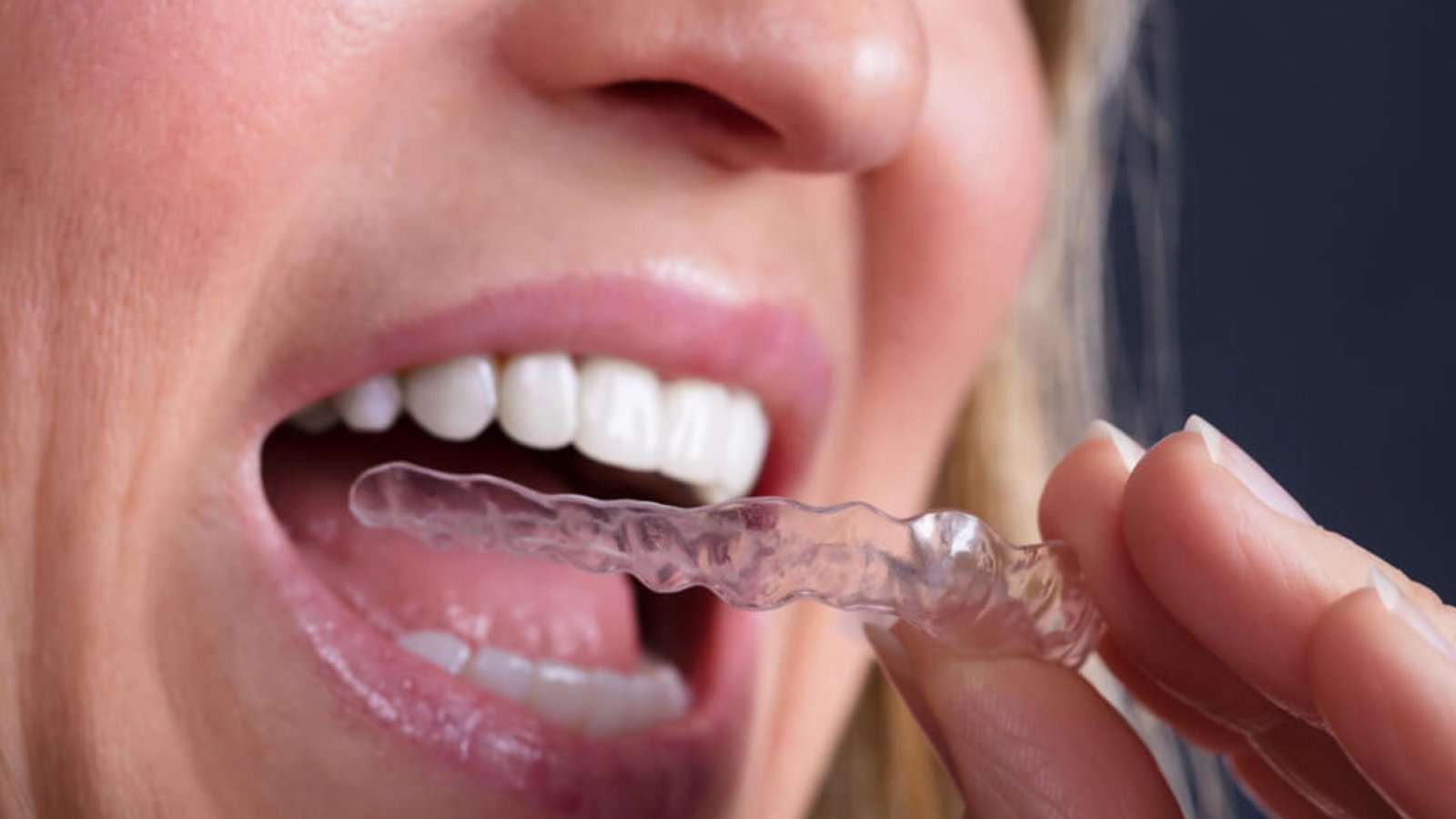
A bad bite can cause pain, wear down teeth, and strain your jaw. You might notice headaches, sore muscles, or teeth that chip again and again. These problems do not fix themselves. They get worse with time. Orthodontists focus only on how teeth and jaws fit together. You see a Whittier orthodontist for this reason. You want someone who studies bite problems every day. Orthodontists use X-rays, photos, and models of your teeth. Then they build a plan that fits your mouth and your life. They look at how you chew, talk, and even breathe. This careful review helps protect your teeth, gums, and joints. It also helps you avoid future dental work. When you understand why orthodontists are experts in bite correction, you can choose care that brings real relief and protects your health.
What A “Bad Bite” Really Means
A bad bite is called malocclusion. It means your upper and lower teeth do not meet in a healthy way. You might see
- Top teeth that stick out
- Bottom teeth that sit in front of top teeth
- Front teeth that do not touch when you bite
- Crowded teeth that twist or overlap
- Back teeth that do not line up
The National Institutes of Health explains that an uneven bite can affect chewing, speech, and cleaning of teeth. It can also raise the risk of tooth decay and gum problems.
Also Read : Why Personalized Care Enhances Preventive Dentistry Outcomes
Why Orthodontists Have Extra Training
Every orthodontist first becomes a dentist. Then the training continues. After dental school, orthodontists complete a full residency in orthodontics. This extra education often lasts two or three years. During that time, they focus on three things.
- How teeth move through bone
- How jaws grow and change with age
- How to guide that growth with braces and other tools
The American Association of Orthodontists notes that orthodontists study hundreds of bite cases before they treat patients on their own. They learn to read X-rays of the face and skull. They also learn how small changes in tooth position can protect jaw joints. This deep training gives you care that is focused on bite correction every day.
Also Read : Why Cosmetic Dentistry Enhances More Than Just Smiles
How Orthodontists Study Your Bite
When you visit an orthodontist, the first step is a careful review. You spend time talking about your health and your goals. Then the team gathers three kinds of records.
- Pictures. Photos of your face, smile, and teeth
- X rays. Images that show roots, jaw joints, and bone
- Models. Digital scans or molds of your teeth
The orthodontist studies how your teeth fit when you close and when you move your jaw. You might be asked to bite, grind, or shift your jaw side to side. This shows where teeth hit too hard or do not meet at all. The goal is simple. Find the cause of your pain and wear, not only the surface signs.
Common Bite Problems Orthodontists Treat
Each bite issue has a pattern. Orthodontists learn to spot these patterns fast. Here are three common ones.
- Overbite. Top front teeth cover too much of the bottom teeth
- Underbite. Bottom teeth stick out in front of the top teeth
- Open bite. Front teeth do not touch when back teeth are together
They also treat crossbites and deep bites. Each problem affects chewing and jaw comfort in a different way. A trained eye can match the right treatment to the specific pattern you have.
Why Orthodontic Treatment Protects Your Health
Correcting a bite is not only about looks. It protects your mouth and your body. The United States Centers for Disease Control and Prevention explains that oral health is linked to heart disease, diabetes, and pregnancy outcomes.
When your bite is balanced, you can
- Chew food with less strain
- Brush and floss teeth with less effort
- Lower the risk of cracked teeth and fillings
- Ease stress on jaw joints and muscles
Over time, this can mean fewer crowns, fewer root canals, and less pain.
Tools Orthodontists Use To Correct Bite Issues
Orthodontists have many tools. Each tool moves teeth in a planned way.
- Metal braces. Small brackets on teeth with a wire that guides movement
- Ceramic braces. Tooth colored brackets for a lower profile look
- Clear aligners. Removable trays that shift teeth step by step
- Elastics. Rubber bands that change how upper and lower teeth meet
- Expanders and appliances. Devices that widen arches or guide jaw growth in children
The orthodontist chooses the mix that fits your bite, age, and health. You get a plan that aims to fix the cause of your bite problem, not just the crowding you see in the mirror.
How Orthodontists Differ From General Dentists
You might wonder why you cannot fix a bite with general dental care alone. General dentists keep teeth clean, repair cavities, and treat gum disease. Orthodontists focus on how teeth move and fit together. The table below shows key differences.
| Topic | General Dentist | Orthodontist
|
|---|---|---|
| Main focus | Cleaning, fillings, crowns, gum health | Bite correction and tooth movement |
| Extra training after dental school | Often none or short courses | Two to three years offull-timee residency |
| Typical tools | Fillings, crowns, dentures | Braces, aligners, jaw appliances |
| Best for | Day to day tooth and gum care | Fixing bite problems and tooth position |
What To Expect During Bite Treatment
Bite correction takes time. You should know what to expect before you start. Most treatment follows three steps.
- Planning. Records, exam, and a written plan with goals and timing
- Active treatment. Braces or aligners move teeth into healthier positions
- Retention. Retainers hold teeth in place after movement
You visit the orthodontist on a regular schedule. At each visit, the team checks tooth movement, comfort, and hygiene. Small changes to wires or trays keep your teeth moving at a safe pace. Clear instructions help you know how to clean around braces, how long to wear elastics, and how to use retainers.
When You Should See An Orthodontist
You should not wait for severe pain. You can schedule a visit if you notice
- Teeth that do not meet evenly
- Jaw pain or clicking when you chew
- Front teeth that are hard to clean or floss
- Children who mouth breathe, snore, or struggle to bite into food
Early care can guide growth and may shorten treatment later. Adults can benefit at any age. Teeth can move with gentle, controlled pressure even later in life.
Taking The Next Step
Bite problems are common. They are also treatable. Orthodontists train for years to understand how small tooth movements protect your jaw, teeth, and long-term health. When you choose an expert who focuses on bite correction, you choose fewer surprises, less future damage, and more comfort when you eat, talk, and smile. You deserve that relief.