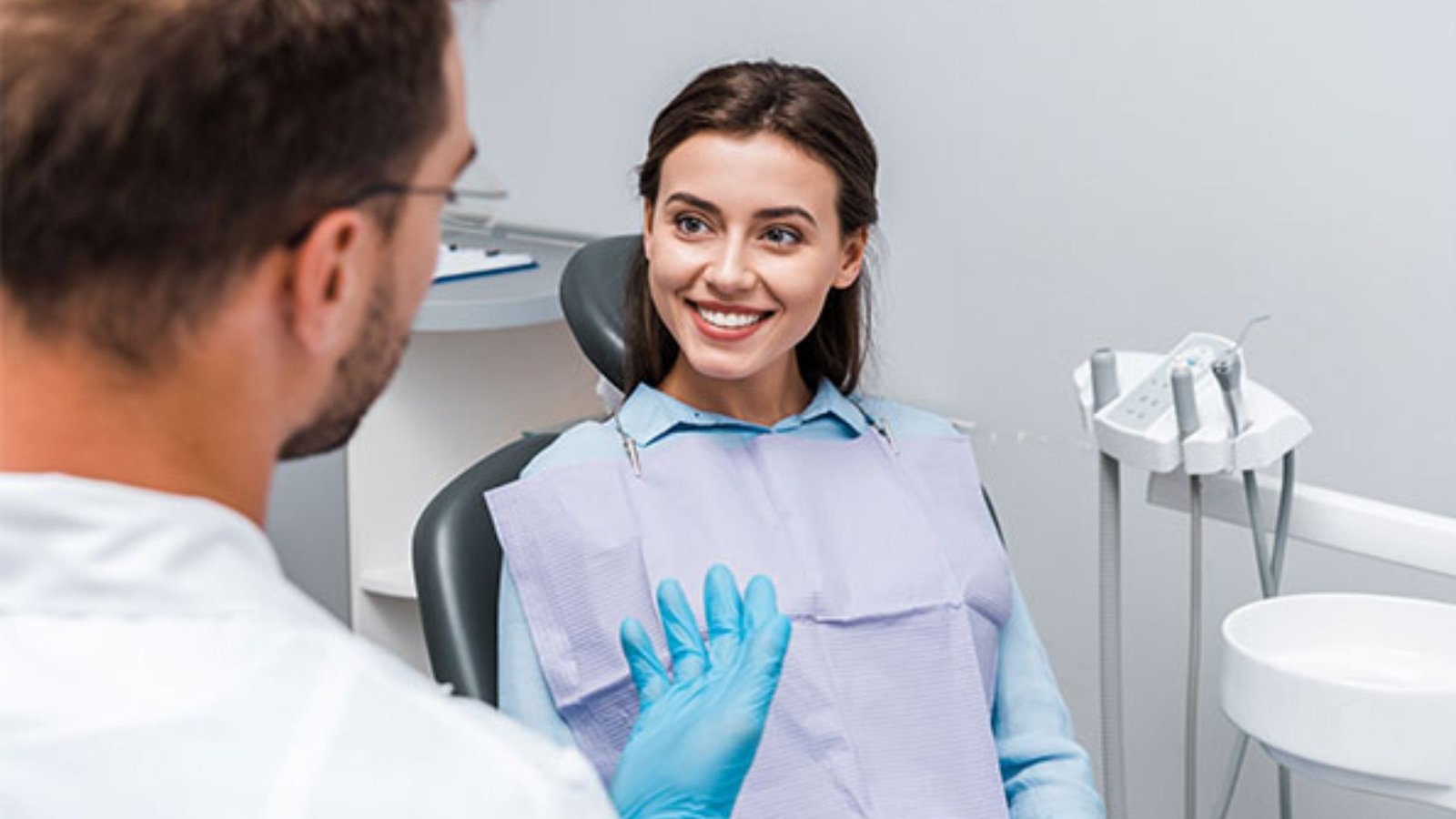
Your teeth, bite, and smile are yours alone. A one size fits all plan in orthodontics can leave you with avoidable pain, slow progress, and results that do not last. A personalized treatment plan respects your mouth, your health, and your daily life. It looks at your jaw shape, tooth wear, breathing, sleep, and even how you feel about your smile. Then it matches braces, clear aligners, or other tools to your real needs. This reduces risk, shortens treatment time, and protects your teeth and gums. It also helps you stay motivated, because the plan fits your routines and your budget. As a South San Jose orthodontist will tell you, a custom plan is not a luxury. It is basic care. When you understand why your plan is built for you, you can ask better questions and protect your long term health.
Why one size fits all orthodontics can fail you
Standard plans treat every mouth as if it is the same. That may sound simple. It often leads to three problems.
- Teeth move in ways that strain roots and gums.
- Jaws stay out of balance so pain and wear continue.
- Results slip back after treatment ends.
Research from the National Institute of Dental and Craniofacial Research shows that tooth wear and bite problems change with age and health. Your plan must reflect that. A copy and paste approach ignores growth in children, bone loss in adults, and medical issues like sleep apnea or grinding.
Also Read : The Basics Of General Dentistry: What You Need To Know
What a personalized orthodontic plan includes
A strong plan answers three questions. Where are you now. Where do you want to be. How can you get there with the least harm.
To do that, your orthodontist studies:
- Tooth position and crowding.
- Jaw joints and muscle balance.
- Breathing and sleep patterns.
- Gum health and bone support.
- Past dental work such as implants and crowns.
- Your age, health history, and medicines.
- Your daily schedule and comfort with different tools.
This information shapes the timing, tools, and pace of treatment. It also shapes how your care team checks your progress and adjusts your plan.
Also Read : Why Personalized Care Enhances Preventive Dentistry Outcomes
Comparing generic and personalized treatment
You can see the difference when you compare side by side. These examples are general. Your own plan may differ.
| Feature | Generic plan | Personalized plan
|
|---|---|---|
| Start of treatment | Same age rule for all children or adults | Start based on growth, jaw changes, and dental health |
| Type of appliance | Standard braces for most patients | Braces, clear aligners, or mix chosen for your mouth and habits |
| Treatment length | Fixed time estimate | Range with planned checkpoints and progress reviews |
| Office visits | Same schedule for everyone | Visit timing based on how your teeth move and your risk of problems |
| Jaw and bite | Focus on straight teeth only | Focus on jaw fit, bite comfort, and tooth wear patterns |
| Long term stability | Standard retainer and time frame | Retainer type and use based on your growth, habits, and bone support |
| Response to problems | Minor changes with same plan | Active plan changes if pain, slow movement, or gum issues appear |
How personalized plans protect children and teens
Children and teens grow fast. Their jaws, airways, and faces change each year. A rushed plan can move teeth into places the jaw has not grown to support. That can lead to relapse and pain.
A tailored plan for a young patient usually:
- Times treatment around growth spurts.
- Guides jaw growth to open space and improve breathing.
- Prevents tooth extractions when safe.
The Centers for Disease Control and Prevention reports that many children already have tooth decay and gum issues. A personal plan treats those first. Then it moves teeth in a way that protects weak spots and makes brushing easier.
How personalized plans support adults
Adult mouths carry history. Fillings, crowns, gum loss, grinding, and past trauma all change what is safe. Your jaw bones are more set. So force and timing must be careful.
An adult focused plan may:
- Use lighter forces to protect roots.
- Work with your dentist and medical team on bone loss or diabetes.
- Use aligners if you need a discreet look for work.
It can also stage care. First it may stabilize gums. Next it may move teeth. Finally it may place crowns or implants. That order avoids damage and saves money over time.
The role of your goals and daily life
A true personalized plan does not stop at X rays and models. It also asks what matters to you. Some people want the shortest path. Others want the least visible tools. Some want to fix jaw pain more than front tooth spacing.
Your orthodontist should ask about:
- Sports, music, and contact activities.
- Work meetings, speaking roles, or public events.
- Family duties and how far you travel for visits.
That information guides choices. For example, a teen in contact sports may need stronger brackets and custom mouthguards. A parent who travels may benefit from aligners with remote check ins.
What you can ask at your first visit
You can protect yourself by asking clear questions. You do not need medical training. You only need courage and curiosity.
Try these three:
- How is my plan different from your standard plan.
- How does my health history change your approach.
- What signs mean we should change the plan during treatment.
You can also ask to see before and after images of cases like yours. That can show how the team responds to complex bites, gum problems, or jaw pain.
Why personalized care leads to stronger results
Personalized plans respect your body and your story. They move teeth in harmony with bone, gums, and joints. They fit your life so you can keep up with visits and home care. They also adjust as your mouth responds.
That approach leads to three gains.
- Safer treatment with fewer injuries.
- More stable results that last longer.
- A smile and bite that feel natural, not forced.
When you seek orthodontic care, ask for a plan that is written for you. Your mouth deserves that respect. Your future self will feel the difference each time you chew, speak, and smile.