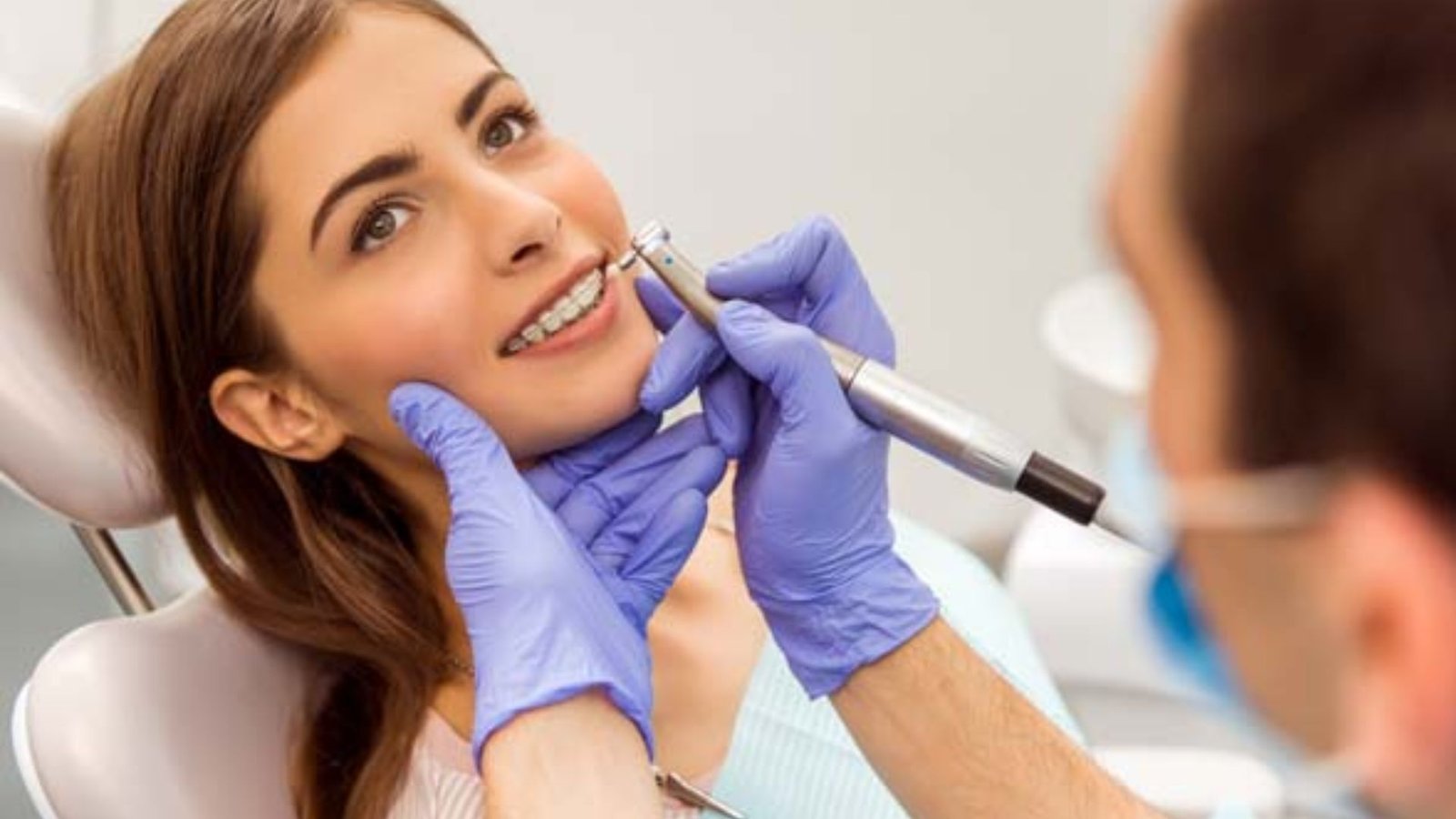
Braces and aligners can shake a teen’s confidence. You see the worry about pain, school photos, and sports. You also feel the cost and time pressure. A family dentist can stand in that storm with you. This blog explains how your family dentist guides your teen before, during, and after orthodontic treatment. You learn what questions to ask, what problems to watch for, and how to keep your teen’s mouth clean with brackets or trays. You also see how a dentist in Little Elm can work with an orthodontist so your teen does not fall through the cracks. Step by step, you get clear support for checkups, X rays, and follow up care. You and your teen do not walk through treatment alone.
Before Treatment: Getting Your Teen Ready
Your teen needs a healthy mouth before any tooth movement. The family dentist checks for three things.
- Cavities
- Gum swelling or bleeding
- Jaw growth and bite problems
The dentist takes X rays and pictures. You get a clear map of what must happen first. Cavities get filled. Gums get cleaned. Old fillings get checked. This lowers the risk of pain and infection during treatment.
You also get straight talk about timing. The dentist explains if it is better to wait for more jaw growth or to start now. The American Dental Association explains that early checks help catch crowding and bite problems while your child still grows.
Also Read : The Benefits Of Having One Dentist For The Whole Family
Building a Simple Treatment Roadmap
Orthodontic care can feel confusing. A family dentist turns it into a simple plan. You see three clear phases.
- Preparation and cleaning
- Active tooth movement
- Retention and long term care
The dentist explains what each phase means for your teen’s daily life. You hear how long it may last, how many visits to expect, and what changes at home will help.
Also Read : 4 Common Preventive Services That Protect Oral Health Long Term
During Treatment: Your Dentist as Daily Coach
Once braces or aligners go on, your teen lives with them every day. The orthodontist adjusts the wires or trays. The family dentist protects teeth and gums during that whole time.
At routine visits the dentist will:
- Check for white spots that hint at early tooth damage
- Clean around brackets and wires
- Review brushing and flossing in clear, quick steps
- Check for jaw pain, clenching, or grinding
The dentist also tracks diet habits. Sticky sweets, sports drinks, and constant snacking raise the risk of damage around brackets. You get simple food swaps and snack ideas your teen can accept.
Helping Your Teen Keep Teeth Clean
Braces trap food. Clear trays trap sugar against the teeth. Your teen needs a repeatable routine. The dentist breaks it into small steps your teen can follow even on tired school nights.
Most family dentists teach a three part routine.
- Brush two times a day with fluoride toothpaste
- Clean between teeth with floss or small brushes
- Use fluoride rinse if the risk for cavities is high
The Centers for Disease Control and Prevention explain that fluoride and daily cleaning cut the risk of decay in children and teens. You can read more at the CDC children’s oral health page.
Braces or Aligners: How Your Dentist Compares Options
The family dentist helps you weigh braces and clear aligners. The goal is not trend. The goal is what your teen can manage and what will work for the bite problem. The table below shows common points the dentist reviews with parents and teens.
| Topic | Metal or Ceramic Braces | Clear Aligners
|
|---|---|---|
| Wear time | On teeth all day | Must wear 20 to 22 hours each day |
| Cleaning | Harder to brush and floss around | Easier to brush and floss with trays out |
| Food limits | No hard or sticky foods | Must remove trays to eat or drink anything but water |
| Best for | Most crowding and bite problems | Mild to moderate spacing or crowding |
| Risk of loss | Fixed on teeth | Easy to lose or throw away with napkins |
| School and sports | Need mouthguard for contact sports | Need case and clear rules for use at school |
The dentist listens to your teen. Some teens accept braces and do well. Other teens handle the self control that clear trays need. The right choice feels honest and simple for your family.
Protecting Teeth During Sports and Activities
Many teens play sports or music. Braces can cut lips and cheeks during contact sports. A family dentist can make a custom mouthguard that fits over braces. This lowers pain and tooth injury during games and practice.
For teens with aligners, the dentist explains when to take trays out and how to store them in a case. You get a clear rule. Trays stay in the case or in the mouth. They never stay in a pocket or loose in a bag.
Managing Pain and Stress
Adjustments can cause sore teeth. Your teen may feel frustrated or embarrassed. A family dentist helps you sort real problems from normal soreness.
The dentist explains safe use of over the counter pain medicine. You also learn when wax can help with sharp spots on braces. When pain lasts or feels sharp, the dentist checks for hidden sores, broken wires, or tooth grinding.
Stress can lead to poor brushing or skipped aligner wear. The dentist talks with your teen in plain words. You get short scripts you can use at home. You also get praise and small goals. For example, your teen can focus on one strong week of brushing and aligner wear at a time.
After Treatment: Keeping the New Smile Stable
When braces come off or aligners finish, your teen feels free. Yet teeth can shift. Retainers hold the new smile in place. A family dentist checks retainers at routine visits and watches for early signs of relapse.
The dentist will:
- Check fit and wear of retainers
- Clean hard buildup on retainers
- Watch for grinding or jaw pain that can move teeth again
You get clear rules on how long your teen should wear retainers at night. You also get a plan if a retainer breaks or gets lost.
How You and Your Dentist Work Together
Orthodontic treatment is not just about straight teeth. It is about a teen who can eat, speak, smile, and sleep in comfort. A family dentist stands with you from the first X ray to the last retainer check.
You bring your knowledge of your teen’s mood, habits, and stress. The dentist brings training and calm guidance. Together you protect your teen’s mouth, time, and confidence through every step of treatment.