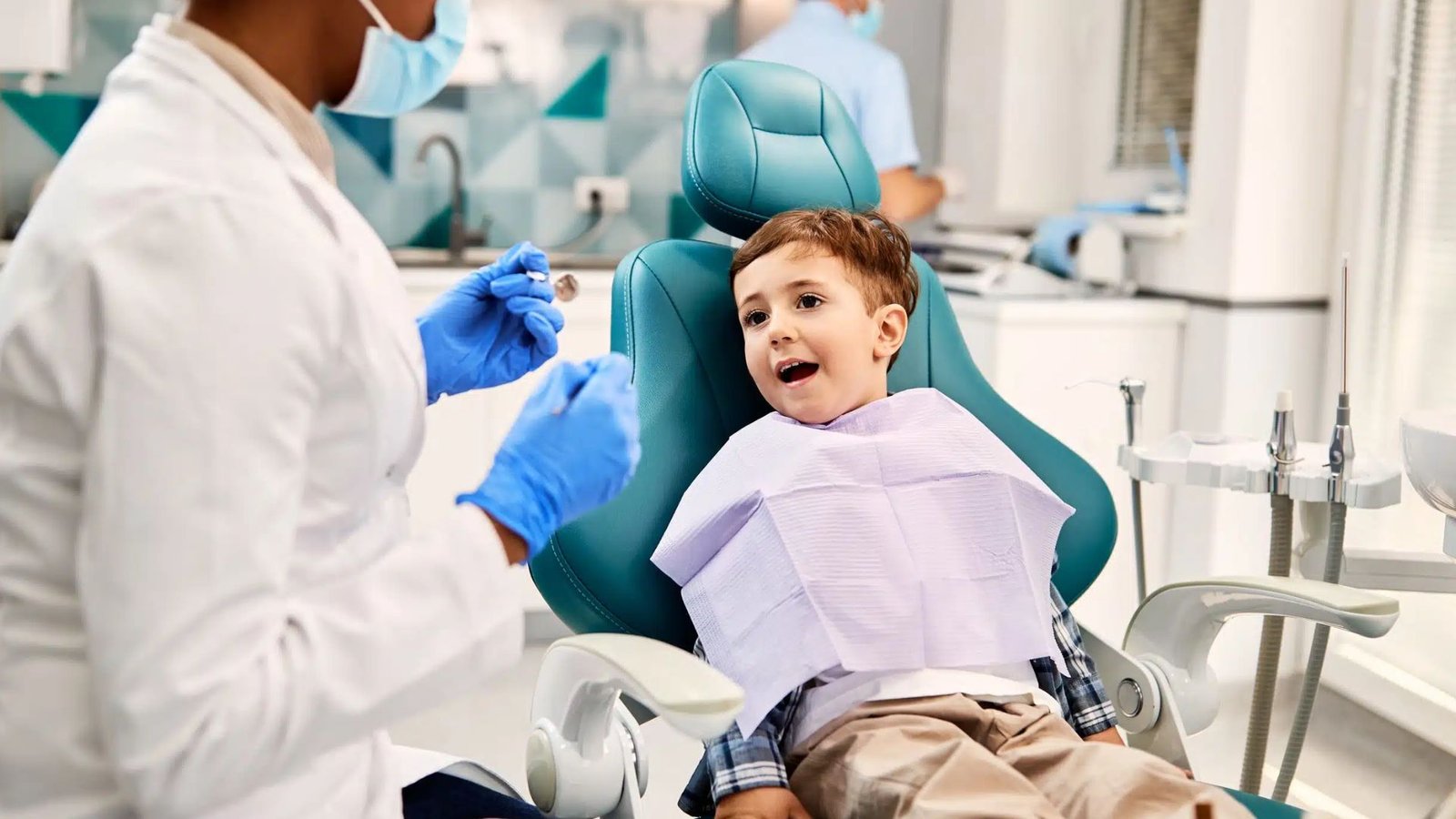
Healthy teeth start with early visits. When you bring your child to the dentist at a young age, you teach that care is normal, not frightening. Early checkups help catch small problems before they turn into pain, missed school, or high bills. They also show your child that a clean mouth feels good and matters every day. Regular visits build trust, set routines, and make brushing and flossing part of home life. Many parents feel unsure about when to start or what to expect. This fear can delay that first visit for years. That delay often leads to decay, infection, and stress for your child. This blog explains why early dental visits matter, what happens during them, and how they shape strong habits for life. It also shares how family dentistry Albuquerque supports parents and children through each step.
Why Early Dental Visits Matter For Your Child
The American Academy of Pediatric Dentistry and the Centers for Disease Control and Prevention both state that tooth decay is one of the most common chronic diseases in children. You can change that story for your child with early care.
Early visits matter for three main reasons.
- You find problems early and prevent pain.
- You shape habits while your child is still learning daily routines.
- You lower fear by making the dentist feel safe and familiar.
First, early checks let the dentist find weak spots, early decay, or issues with growth. Treatment is easier and less stressful when problems are small. Your child avoids toothaches that can affect sleep, eating, and learning.
Next, early visits help you build simple routines. You hear clear guidance about brushing with fluoride toothpaste, using the right brush size, and setting a daily schedule. Your child hears the same message from another trusted adult. That shared message has power.
Finally, when your child meets the dentist early, visits feel routine instead of scary. The chair, light, and tools become familiar. Your child learns that people in the office are safe helpers, not strangers.
Also Read : Nothing2Hide Net Gaming: The Future of Safe
When To Schedule The First Dental Visit
You should schedule the first visit by your child’s first birthday or within six months after the first tooth appears. The National Institute of Dental and Craniofacial Research supports this timing.
If your child is older and has not seen a dentist yet, start now. It is never too late to protect your child’s mouth. Each month you wait brings more risk of decay and pain.
Also Read : 4 Cosmetic Dentistry Options That Fit Seamlessly Into Family Dental Care
What Happens During An Early Dental Visit
Knowing what to expect can calm both you and your child. A first visit is simple and gentle. It often includes three parts.
- Review of your child’s health and daily habits
- Careful look at teeth, gums, and bite
- Clear guidance for home care and next steps
First, the dental team asks about feeding, thumb sucking, bottle use, and any mouth injuries. This helps them see your child as a whole person and not just a set of teeth.
Next, the dentist checks each tooth, the gums, and how the jaws fit together. The dentist may clean the teeth and place fluoride to strengthen the enamel. This process is gentle. Many young children sit on a parent’s lap during the exam.
Finally, you receive simple steps you can use right away. These steps can include how to brush, when to switch from bottle to cup, and how to handle teething pain.
How Early Visits Shape Lifelong Habits
Habits form fastest in early childhood. When you pair daily brushing with regular checkups, your child learns that mouth care is part of normal life. That pattern often lasts into the teen years and adulthood.
Early visits support three strong habits.
- Daily brushing and flossing
- Smart food and drink choices
- Routine checkups and cleanings
Your child hears from you and from the dentist that teeth need care two times each day. This repetition builds memory. Your child starts to expect brushing in the morning and at night.
Also, dentists talk about drinks and snacks. They explain why water is safer than sugary juice and why sticky snacks cling to teeth. When your child hears this message early, sweet treats feel like a rare choice instead of a daily habit.
Last, when your child grows up with regular visits, checkups feel normal. Skipping them later in life feels strange. That pattern lowers the risk of serious decay, gum disease, and tooth loss.
Early Visits And Long Term Health Outcomes
Tooth decay in childhood can lead to pain, infection, and trouble eating. It can also affect speech and self respect. Early visits help avoid these outcomes.
The table below compares children who start dental visits by age one with those who start after age three. The numbers use simple example figures based on trends seen in public health reports. They show how early care can change your child’s path.
| Outcome | Early First Visit
(by age 1) |
Late First Visit
(after age 3)
|
|---|---|---|
| Children with at least one cavity by age 5 | About 25 out of 100 | About 50 out of 100 |
| Emergency dental visits for pain by age 8 | About 10 out of 100 | About 30 out of 100 |
| Missed school days due to dental problems by age 10 | Lower risk | Higher risk |
| Comfort with routine dental care in teen years | Higher comfort | Lower comfort |
These patterns show a simple truth. Early visits do not only protect baby teeth. They shape how your child sees care, pain, and health across life.
Your Role Before, During, And After Each Visit
You guide your child’s experience. Your words, tone, and actions can reduce fear and build trust.
Before the visit, you can:
- Use calm, simple words about what will happen
- Avoid scary phrases like “It will not hurt” or “Be brave”
- Practice opening wide in front of a mirror as a game
During the visit, you can:
- Stay close, hold a hand, or let your child sit on your lap
- Listen, stay relaxed, and follow staff guidance
- Praise effort, like “You are doing strong breathing”
After the visit, you can:
- Keep a simple reward, such as extra story time
- Talk about one positive part of the visit
- Mark the next visit on a calendar so it feels expected
Taking The First Step
Early dental visits protect your child from pain and fear. They also build habits that last. When you start by age one, you give your child a quiet but powerful gift. You teach that health is worth daily care. You show that help is safe. You protect both teeth and confidence.
If your child has not seen a dentist yet, choose a day this week to call an office and schedule a visit. That one choice can shape years of comfort, strength, and health for your child.