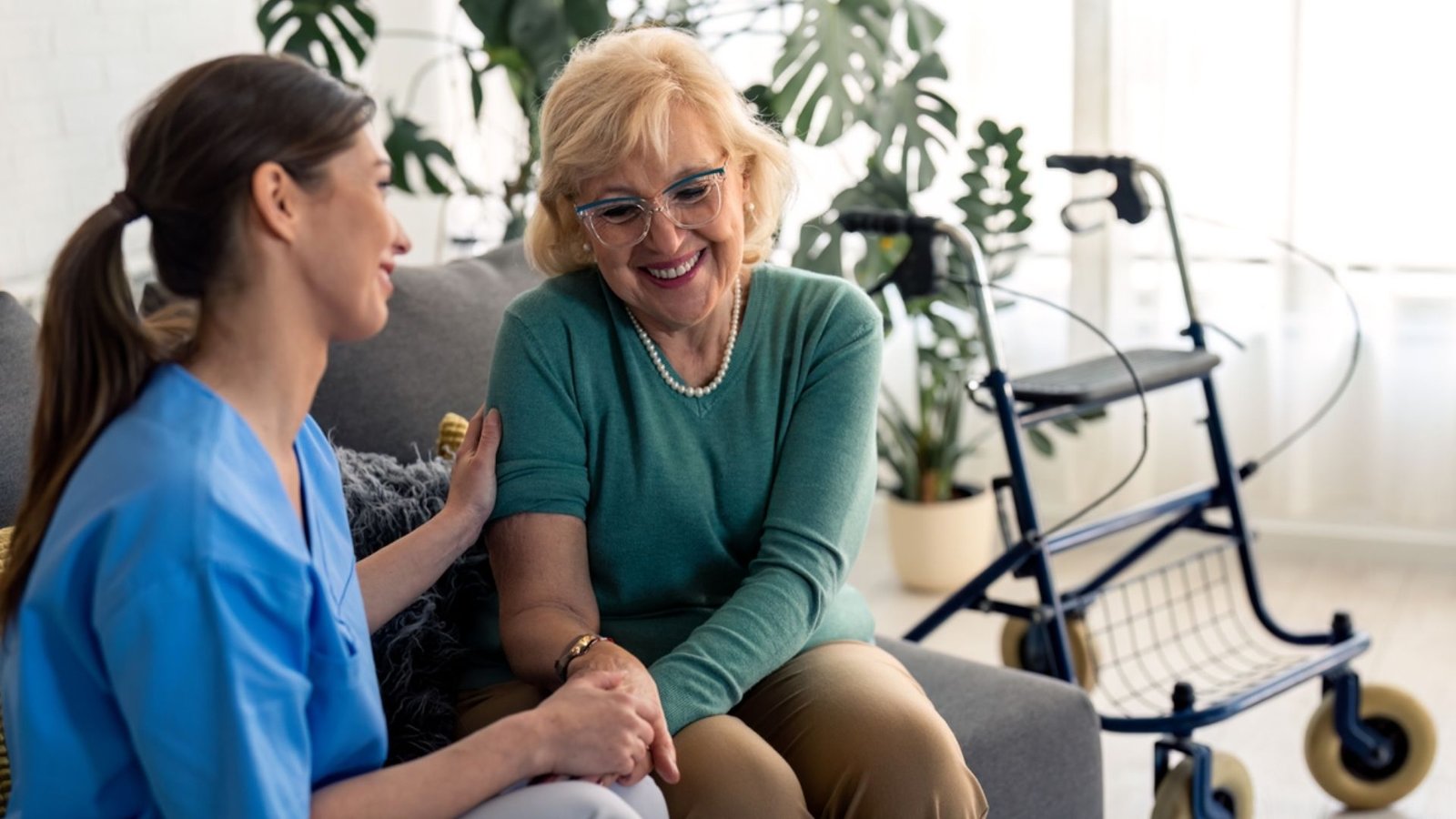
Searching for suitable support for a family member can be difficult, especially when daily life starts to require more time, patience, and professional care. Families commonly seek a solution pertaining to independence, safety, and consequently, they attempt to retain their loved ones at the homestead in a comfortable way for as long as possible.
Herein lies the importance of proper planning, and many people start to compare various alternatives for an in-home care provider as they try to find out what really suits their family.
Understanding What In-Home Care Really Offers
In-home care is mainly focused on enabling people to live through the application of personalized support in the same environment that they are used to. It may comprise simple tasks such as cooking, providing company, or being of help with moving around. The more sophisticated services could go as far as reminding people about taking their medicine, showering, and even catering to memory disorders. Since each person is different needs-wise, the most suitable plan is the one that allows for easy shifts.
Families often consider in-home care when
- A loved one needs help with daily activities
- Safety concerns appear during routine tasks
- Mobility becomes difficult or tiring
- Extra companionship would improve emotional well being
This type of care offers support without taking away independence.
Also Read : How Integrated Recognition and Communication Tools Strengthen Teams
Deciding the Level of Care You Need
It is very helpful to determine precisely what type of support is required before you start looking for caregivers. There are some people who require only a few hours of help weekly, while others gain more from daily support that is more consistent. Your choice should be based not only on the present requirements but also on the possible future developments.
Important areas to evaluate
- Mobility and physical strength
- Memory, communication, and awareness
- Medication routines and medical conditions
- Social needs and emotional support
The clearer the picture, the easier it becomes to choose the right caregiver.
Also Read : Healthy Aging: Daily Habits to Protect Your Energy and Mobility
What to Look for in a Professional Caregiver
An associate in care is not merely a person who performs duties. The caregiver is a necessary person in your beloved one’s life, and at times, he or she even becomes a member of the family circle. The search for the ideal caregiver who possesses the right mix of abilities, compassion, and interpersonal skills, as well as being patient, is an extremely difficult one.
Characteristics of a good caregiver
- Excellent understanding and speaking skills
- Dependability and uniformity
- Good-heartedness and esteem for others’ limits
- Professional education in the case of first aid or specialized care when required
A caregiver who can sense both physical and emotional needs will create a situation that is daily life a bit easier for all parties involved.
Checking Licenses, Backgrounds, and References
Trust is essential when allowing someone into your home. Always verify credentials, ask about training, and confirm background checks. Reputable agencies or independent providers should also offer references that prove their experience.
Helpful checks include
- Verifying past caregiving roles
- Reviewing certifications or training programs
- Asking former clients about dependability
- Checking comfort level with emergencies
The steps mentioned assure that the caregiver of your relative is qualified and an assured choice.
Creating a Care Plan That Fits Your Lifestyle
The selection of a caregiver has brought you to the stage where you can begin to plan a routine that would be pleasant for everyone. The care plan consists of such elements as daily activities, distribution of duties, communication methods, and safety measures.. A thoroughly planned strategy eliminates misunderstandings and provides the caregiver with very specific guidance to follow.
A complete care plan generally consists of
- Daily duties that require regular attention
- Meal times and nutrition requirements
- Medication reminders and safety precautions
- Telephone numbers of relatives and medical care providers
- The document can expand and alter alongside the changes in needs.
Combining Personal Care With Long-Term Peace of Mind
Hiring a caregiver is not just a matter of meeting the practical needs. It alters the everyday life in a way that the loved one can experience comfort, safety, and the warmth of their own home. Emotional relief is often the biggest benefit that families feel when the right care is established. They can live together more and worry less about the daily routines, safety, and so on.
As the needs of the elderly person change, families come back to the process of selecting an in-home care provider time and again, hoping to have a care provider who is always warm and strong in place.
Finding the right caregiver is a way of investing in both comfort and the lack of fear. Moreover, through a planned and organized way with communication and regular check-ups, you will be able to create a supportive environment that respects independence and at the same time guarantees safety. The wise decision taken by you will allow your loved one to live a life of dignity, and your family will always have the comfort that real care is just around the corner.