Introduction
Winter can be harsh, and layering up with thick coats often feels cumbersome and restrictive. A heated vest offers a modern solution, combining the comfort of clothing with smart wearable technology. These innovative vests use built-in heating elements powered by rechargeable batteries to deliver targeted warmth to your core, allowing freedom of movement while keeping you cozy.
Heated vests are more than just a gadget; they are practical winter essentials for commuters, outdoor workers, and enthusiasts alike. In this article, we explore everything about heated vests — how they work, their benefits, limitations, tips for choosing one, and why they have become a must-have item for cold-weather comfort.
What Is a Heated Vest and How It Works
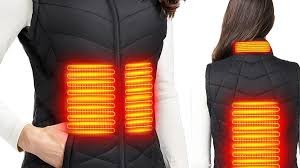
A heated vest is a garment with integrated heating elements, usually positioned in the chest, back, and sometimes the collar area. These elements can be made from carbon fiber, metal wires, or other conductive materials. When powered by a rechargeable battery, electricity flows through these elements, generating heat that spreads across the torso.
Modern heated vests offer adjustable heat settings — often low, medium, and high — allowing you to control the warmth based on activity level and temperature. Because the heat targets the body’s core, heated vests are effective without the need for bulky outerwear, making them ideal for active outdoor use or casual daily wear.
Also Read : Star Alliance Members: Complete Guide 2025
Key Benefits of Using a Heated Vest
1. Targeted, Effective Warmth
Heated vests deliver warmth where it matters most — the chest and back. This core-focused heating is often more effective than multiple layers of clothing in keeping you comfortable. It helps maintain body temperature efficiently, especially in moderately cold conditions.
2. Lightweight and Freedom of Movement
Unlike heavy jackets, heated vests are slim and sleeveless, allowing unrestricted arm movement. This makes them perfect for outdoor activities such as hiking, cycling, hunting, or any task requiring mobility while staying warm.
3. Versatility and Layering Flexibility
A heated vest can be worn alone on mild cold days or layered under a coat for harsher weather. It adapts easily to changing conditions, ensuring comfort whether you’re indoors or outdoors.
4. Energy Efficiency and Convenience
By warming only the torso, heated vests reduce the need for heavy, energy-consuming layers. Rechargeable batteries make them portable and convenient, ideal for commuting, outdoor work, or winter sports.
5. Health and Comfort Benefits
The gentle heat improves blood circulation and can relieve muscle stiffness or joint discomfort. People sensitive to cold or those with poor circulation find heated vests especially beneficial.
Also Read : A Delicious Mix of Old-School Charm and Contemporary Eating
Limitations of Heated Vests
While heated vests are highly useful, they have a few limitations:
Battery Life
Heating depends on battery power, which may last a few hours on high settings or longer on lower settings. Long outdoor activities may require carrying a spare battery.
Maintenance Requirements
Batteries usually need to be removed before washing. Heating elements and wires require careful handling to avoid damage, making maintenance slightly more involved than regular clothing.
Safety Considerations
Though generally safe, improper use can pose risks like overheating or electrical issues. Moisture exposure can damage batteries or internal wiring, so caution in wet environments is necessary.
Limited Coverage
Vests only heat the torso, leaving arms and legs unheated. In extreme cold, additional layers or a full heated jacket might be necessary.
Who Benefits Most from Heated Vests
-
Outdoor Workers: Construction, delivery, and maintenance staff working in cold conditions can stay warm without restricting movement.
-
Outdoor Enthusiasts: Hikers, hunters, cyclists, and other active individuals benefit from lightweight warmth during prolonged outdoor activity.
-
Commuters: People walking to work, running errands, or waiting outdoors can stay comfortable in cold weather.
-
Individuals with Cold Sensitivity: Those with poor circulation, joint stiffness, or muscle discomfort find heated vests therapeutic.
-
Flexible Weather Situations: Heated vests adapt easily to changing temperatures and activity levels.
Tips for Choosing and Using a Heated Vest
-
Check Heating Zones: Multiple zones across the chest, back, and collar provide more balanced warmth.
-
Battery Capacity: Higher capacity batteries last longer, especially on high heat settings. Consider spare batteries for extended outdoor use.
-
Material and Fit: Choose wind-resistant outer fabrics and soft inner linings. A snug fit ensures efficient heat transfer.
-
Maintenance: Always remove batteries before washing and follow care instructions to prevent damage.
-
Safety: Use vests with temperature regulation and automatic shut-off features. Avoid using damaged or faulty units.
Types of Heated Vests
Heated vests come in several styles to suit different needs:
Lightweight Vests
Ideal for layering and daily use, these vests are slim and unobtrusive.
Outdoor/Performance Vests
Designed for hikers, cyclists, and athletes, these vests often have higher heat output and durable, weather-resistant materials.
Work Vests
Heavy-duty vests for outdoor laborers provide extended battery life, multiple heating zones, and durability for rugged environments.
Fashion Vests
Combining style and function, these vests focus on aesthetics while providing moderate warmth for casual wear.
How to Use a Heated Vest Effectively
-
Start with the lowest heat setting and adjust according to comfort.
-
Wear a base layer to maximize heat retention.
-
Charge batteries fully before long outings.
-
Avoid exposing the vest to water or extreme moisture.
-
Monitor battery and wiring condition regularly for safety.
Read More: Star Alliance Members: Complete Guide 2025
Conclusion
Heated vests are a perfect combination of technology and practicality, offering targeted warmth without bulk. They are ideal for outdoor enthusiasts, workers, commuters, and anyone sensitive to cold. While they have some limitations — like battery life, limited coverage, and maintenance requirements — the advantages often outweigh the drawbacks.
Choosing a high-quality vest with multiple heating zones, a reliable battery, and following care instructions ensures optimal performance. A heated vest transforms cold days into comfortable ones, providing warmth, flexibility, and freedom of movement. With the right vest, winter no longer needs to be restrictive or uncomfortable — it can be a season of comfort and activity.
FAQs
Q: How long does a heated vest last on a single battery charge?
A: Depending on the heat setting and battery capacity, most heated vests last 6–8 hours on low settings and 2–4 hours on high settings.
Q: Are heated vests safe to wear?
A: Yes. Most heated vests operate on low-voltage batteries and include temperature regulation and automatic shut-off to prevent overheating.
Q: Can I wash my heated vest like regular clothing?
A: Batteries should be removed before washing. Most vests can be machine-washed gently or hand-washed, but always follow the manufacturer’s instructions.
Q: Is a heated vest better than a heated jacket?
A: Vests are better for mobility and layering flexibility, while jackets offer full-body warmth. The choice depends on your activity and cold exposure.
Q: Who should consider wearing a heated vest?
A: Outdoor workers, commuters, athletes, and anyone sensitive to cold can benefit from a heated vest, as it provides efficient warmth without bulky clothing.