Strong teeth protect your child’s smile, your budget, and your peace of mind. Preventive dentistry helps you stop problems early, before they cause pain or large bills. Regular cleanings, simple home habits, and quick checkups guard against decay, infection, and tooth loss. You get fewer emergencies. You miss less work. Your child misses less school. Every visit builds trust and comfort, so your family feels safe in the chair. If you see a dentist in Carmel you can build a long term plan that fits your family’s needs and schedule. You gain clear steps, honest guidance, and steady support. Small choices today shape your child’s health for years. This blog explains why early care matters, what to expect at preventive visits, and how to keep strong teeth at home. You can use that knowledge to protect your family’s smiles for life.
How Preventive Dentistry Protects Your Family
Preventive care means you act before teeth break, ache, or loosen. You do not wait for a crisis. You use simple steps again and again to block decay and gum disease.
Core parts of preventive care include three steps.
- Regular checkups and cleanings
- Daily brushing and flossing at home
- Smart choices about drinks, snacks, and tobacco
Routine visits let a dentist find soft spots, early cavities, and gum swelling. You often fix these with quick, small treatments. You avoid long, painful visits and large bills.
The Centers for Disease Control and Prevention explains that tooth decay is one of the most common chronic conditions in children. That sounds harsh, but it means one clear thing. If you do not plan, decay often wins. If you plan, you can prevent most damage.
Also Read : How Internal Injuries Can Be Missed After an Accident
Why Early Care Matters For Children
Baby teeth hold space for adult teeth. They guide how the jaw grows. They shape how your child eats, speaks, and smiles. When baby teeth hurt, your child may avoid food, lose sleep, and struggle in school.
You protect your child when you:
- Schedule the first dental visit by age one or when the first tooth appears
- Keep visits every six months unless your dentist suggests a different plan
- Use fluoride toothpaste in a tiny smear for young children
The National Institute of Dental and Craniofacial Research shows that fluoride, sealants, and good brushing lower the risk of decay in children. That lowers the chance of missed school and emergency visits.
Also Read : Why General Dentistry Is Essential For Detecting Oral Cancer Early
Preventive Care Versus Crisis Care
You can think of dental care as two paths. One path is steady and calm. The other path is sharp and costly. Preventive care keeps you on the steady path.
| Type of care | What it involves | Common cost impact | Effect on family life
|
|---|---|---|---|
| Preventive care | Checkups, cleanings, x rays, fluoride, sealants | Smaller, planned costs spread across the year | Fewer surprises. Less missed work and school. Lower stress. |
| Crisis care | Root canals, extractions, crowns, emergency visits | Larger, sudden bills that strain savings or credit | Last-minute schedule changes. Sleep loss. Strong fear for children. |
Preventive care does not remove all risk. It cuts the odds. It softens the impact when problems appear. You face issues early, when they are easier to treat.
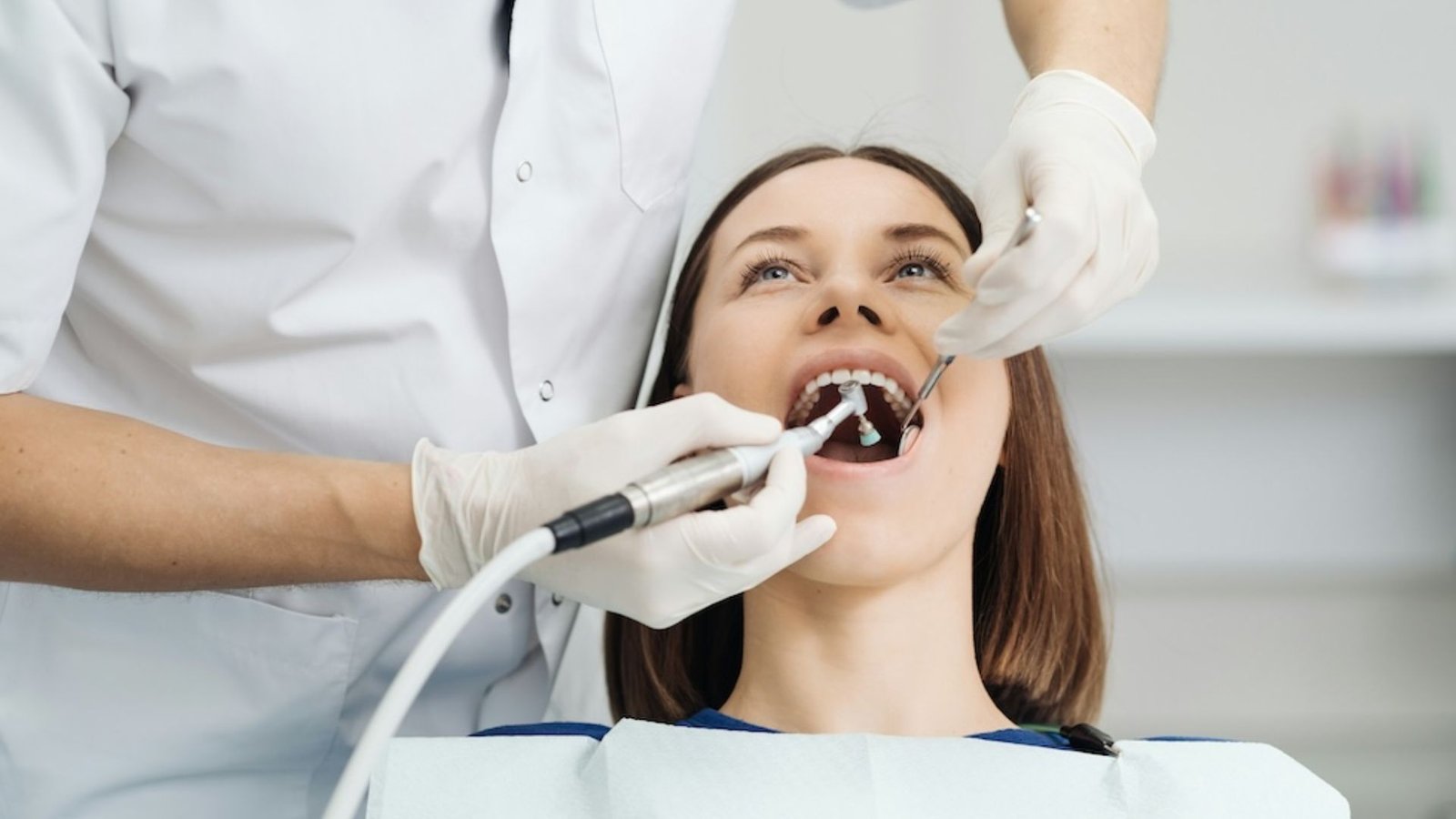
What To Expect At Preventive Visits
Predictable steps help your child feel safe. You can explain the visit in clear, simple terms.
Most preventive visits follow this pattern.
- Review of your health history and any new concerns
- Check of teeth, gums, and jaw for signs of decay or infection
- Cleaning to remove plaque and tartar that brushing misses
- X-rays, when needed to see between teeth or under fillings
- Fluoride treatment or sealants for children if needed
- Short talk about home care, diet, and next steps
You walk out with a clear plan. You know what to watch for at home. You know when to return.
Home Habits That Strengthen Teeth
Most of the work happens in your kitchen and bathroom. Small, steady habits protect every family member.
Focus on three daily steps.
- Brush twice a day with fluoride toothpaste for two minutes
- Floss once a day to clean between teeth
- Rinse with water after snacks and drinks with sugar
Food choices matter. You can:
- Limit juice, soda, and sports drinks
- Offer water and milk more often
- Serve snacks like cheese, nuts, and crunchy vegetables
These steps protect teeth and support a strong body at the same time.
How Preventive Dentistry Saves Money And Time
Dental costs add up when problems sit for months or years. A small cavity can often be filled quickly. A deep cavity may need a root canal, a crown, or removal of the tooth. Each step adds cost, time, and stress.
Preventive care saves you money in three ways.
- It reduces the number of big treatments over a lifetime.
- It shortens visits, which lowers missed work hours.
- It cuts emergency trips, which are often more costly.
Time is just as precious as money. A short planned visit every six months is easier than a long urgent visit that disrupts work, school, and child care plans.
Building A Long Term Plan For Your Family
Every family looks different. You may have toddlers, teens, or aging parents in the same home. A strong preventive plan adjusts as life changes.
You can start with three clear moves.
- Set a regular visit schedule for every family member.
- Keep a shared calendar for dental visits and reminders to renew supplies.
- Talk with your dentist about fluoride, sealants, and any special risks.
You can also ask for written care plans for children with braces, people with diabetes, or relatives who take medicines that dry the mouth. Dry mouth raises the risk of decay, so extra care is needed.
Conclusion: Small Steps, Lasting Protection
Preventive dentistry is simple. You use routine visits, clear home habits, and honest talks with your dentist. These steps protect your child’s smile, your budget, and your sense of control.
You do not need perfection. You need steady effort. Each brushing, each checkup, and each smart snack choice builds a stronger future for your family’s teeth.