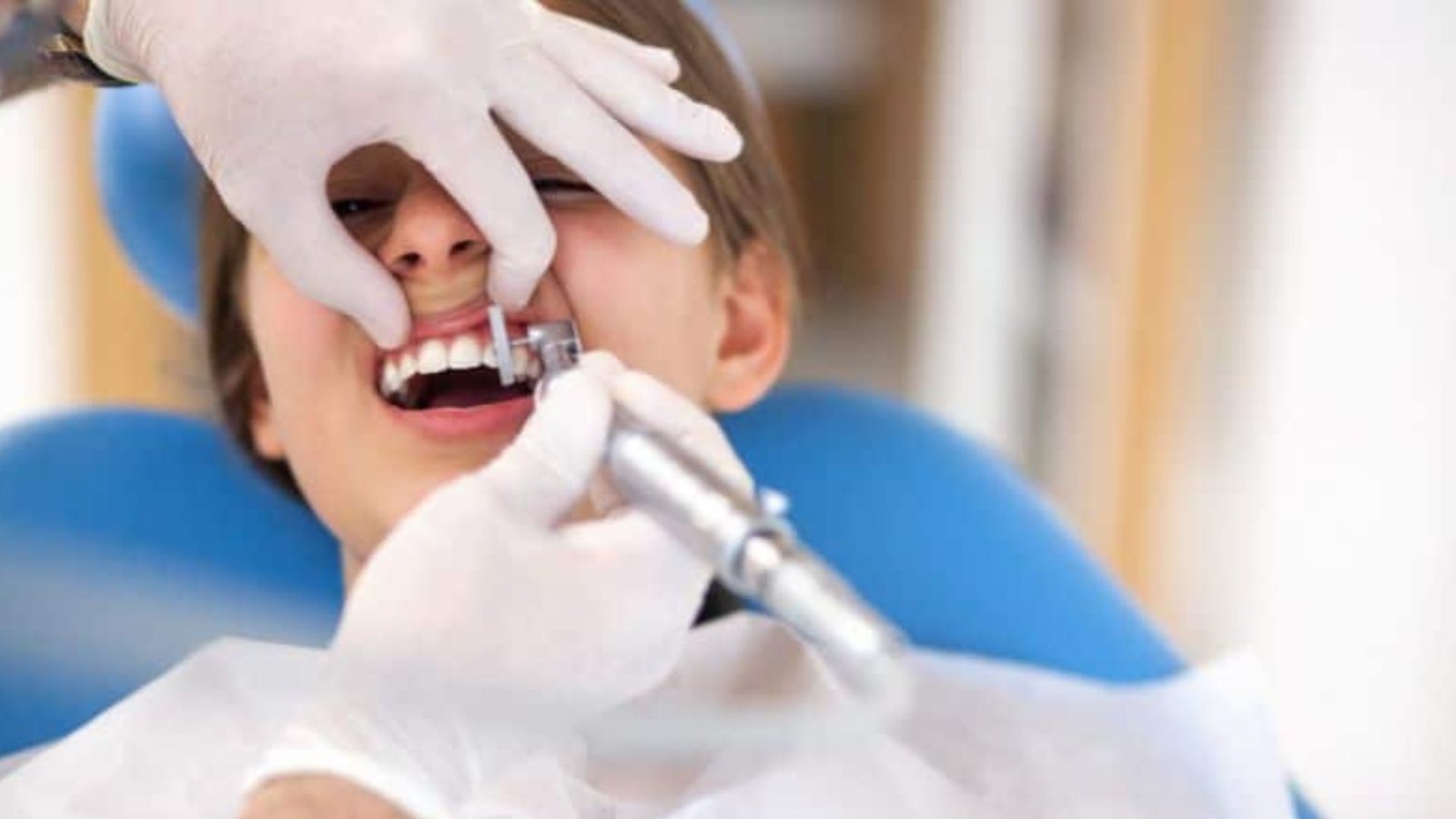
You might not think about oral cancer during a routine checkup. Yet that simple visit can protect your health and your life. General dentistry does much more than clean teeth. It gives your dentist a clear view of your mouth, tongue, gums, and throat. During each visit, your dentist can spot small changes that you might not feel or see. Some changes look harmless. Some feel like a tiny sore or rough patch. Still, they can signal early cancer. Early cancer is easier to treat. It also gives you a higher chance of staying healthy for years. Regular visits create a record of your mouth. Then your dentist can compare each exam and notice trouble fast. If you receive care through family dentistry in Sterling, your routine visit is not just a habit. It is a strong defense against silent disease.
Why oral cancer should concern you
Oral cancer affects your lips, tongue, cheeks, gums, floor of the mouth, and throat. It can grow in silence. You may feel fine. You may chew, talk, and swallow without pain. Yet harmful cells can spread.
In the United States, thousands of people receive an oral cancer diagnosis each year. The National Cancer Institute reports that cancers of the oral cavity and throat made up about 3 percent of all new cancer cases in recent years.
Three hard truths stand out.
- Many cases are found late.
- Late cancer is harder to treat.
- Early cancer brings higher survival and fewer life changes.
You cannot control every risk. You can control how often you receive a careful exam.
Also Read : Why Preventive Dentistry Provides Lasting Value For Families
How general dentistry helps find cancer early
Every routine visit offers three strong benefits.
- Your dentist looks at your whole mouth, not just your teeth.
- Your dentist knows what is normal for you over time.
- Your dentist can act fast when something seems off.
During a general visit, your dentist usually checks:
- Lips and cheeks
- Gums and roof of the mouth
- Tongue, including sides and underside
- Floor of the mouth
- Back of the throat
- Jaw joints and bite
- Neck and under the jaw for lumps
This simple head and neck exam does not take long. The Centers for Disease Control and Prevention explains that regular dental visits help spot oral diseases early.
Also Read : How Accounting Firms Deliver Confidence To Business Owners
Warning signs your dentist looks for
You might ignore a sore spot. Your dentist will not. During each visit, your dentist looks and feels for signs such as:
- Red or white patches that do not go away
- Sores that do not heal within two weeks
- Thick or hard spots in the mouth
- Unusual bleeding
- Numbness in the tongue, lips, or mouth
- Loose teeth without clear cause
- Changes in how dentures fit
- Hoarse voice or trouble swallowing
Many of these signs can come from other causes. Still, your dentist treats each one as important. Then you receive tests or a referral when needed. That caution can save your life.
Why “I feel fine” is not enough
Oral cancer in early stages often causes no pain. You may feel strong. You may eat well. Yet early cells can still grow. By the time you feel clear pain, cancer may have spread deeper or to lymph nodes.
Routine exams work like smoke alarms. You hope they never sound. You still need them on all the time. General dentistry gives you that quiet guard.
Risk factors your dentist can help you manage
Some habits and conditions raise your chance of oral cancer. Your dentist can talk with you about:
- Tobacco use of any kind
- Heavy alcohol use
- Human papillomavirus HPV infection
- Long sun exposure to the lips
- Past oral cancer
- Family history of certain cancers
Your dentist cannot change your past. Still, your dentist can help you quit tobacco, cut back on alcohol, protect your lips, and plan closer follow up if you carry higher risk.
How often you should see a general dentist
Many people need at least one visit every six months. Some need more visits because of gum disease, past cancer, or other health concerns. Your dentist can set a schedule that fits your needs.
The key is regular care. One visit every few years is not enough. Cancer can grow a lot in that time.
Comparing early and late detection outcomes
| Factor | Early detection | Late detection
|
|---|---|---|
| Chance of successful treatment | Much higher | Much lower |
| Treatment intensity | Often shorter and less complex | Often longer with more body impact |
| Effect on speech and chewing | Smaller changes | Possible major changes |
| Recovery time | Usually shorter | Often long |
| Cost of care | Often lower | Often much higher |
| Stress on family | Lower strain | Higher strain |
This table shows a clear pattern. Early detection protects your health, your voice, your eating, and your family.
How you can support your own screening
You play a strong part in early detection. Try three simple steps.
- Keep regular dental visits, even when you feel fine.
- Check your mouth each month for sores or patches that do not heal.
- Tell your dentist about any changes, pain, or lumps in your mouth or neck.
You can also:
- Stop using tobacco.
- Limit alcohol use.
- Use lip balm with sun protection.
- Ask your medical provider about HPV vaccination for your children and teens.
When to call your dentist sooner
Do not wait for your next routine visit if you notice:
- A sore, lump, or patch that lasts more than two weeks
- Unexplained bleeding in your mouth
- New trouble chewing, swallowing, or moving your tongue
- Hoarseness that does not clear up
- A lump in your neck
Make an appointment and describe your symptoms. Early concern shows strength, not fear.
The quiet power of general dentistry
General dentistry may feel simple. A cleaning. An exam. A quick talk. Still, each visit carries quiet power. Your dentist uses training, memory, and careful eyes to guard your mouth and throat.
When you sit in that chair, you do more than care for your teeth. You give yourself a better chance to catch oral cancer early, protect your speech and smile, and stay present for the people who need you.