Technology changes how you see the dentist and how your smile is repaired. You now have options that feel faster, cleaner, and more exact. Digital scans can replace sticky impression trays. 3D images can show hidden problems before they hurt. Clear aligners, same day crowns, and laser treatments can cut down on visits and reduce soreness. You gain more control. You see your teeth on a screen and can ask direct questions. This helps you make steady choices about cosmetic changes and needed repairs. It also supports your trust in your care team. A dentist in Peachtree corners can use these tools to match your goals with your budget and schedule. This blog explains how each type of technology affects both cosmetic and restorative work. It helps you understand what to expect before you sit in the chair.
Digital exams give you a clear picture
You cannot protect what you cannot see. New tools help you and your dentist see the same picture and agree on a plan.
- Digital X rays use less radiation and show more detail. You and your dentist can zoom in on cracks, decay, and bone loss.
- Intraoral cameras are tiny cameras that show live images of each tooth. You see stains, chips, and old fillings in real time.
- 3D cone beam scans create a full head and jaw image. These scans help plan implants, root canals, and complex cosmetic changes.
The National Institutes of Health reports that digital radiography can reduce radiation dose compared with film X rays while keeping image quality high. You can read more in the NIH digital radiography overview. This supports safer and clearer care for you and your family.
Also Read : 3 Reasons Businesses Choose Accountants Over Diy Solutions
3D scanning and printing change crowns and bridges
Old crown visits took several steps. You bit into thick paste. You wore a temporary crown. You waited weeks for the lab. Technology cuts many of these steps.
- A handheld scanner creates a 3D map of your teeth.
- Software designs a crown, bridge, or veneer on the screen.
- A milling machine or 3D printer shapes the piece in the office.
This can give you a crown in one visit. You skip the putty trays and most temporary work. The fit is often more exact because the scan does not warp like paste impressions can.
Old crowns compared with technology assisted crowns
| Step | Traditional method | Digital method |
|---|---|---|
| Impressions | Thick trays and paste | Quick digital scan |
| Number of visits | Two or more | Often one |
| Time without final crown | Two to three weeks | Same day in many cases |
| Comfort | Gag risk and mess | Touch free camera |
| Fit adjustments | More bite checks | More precise from the start |
This same method helps with cosmetic veneers and bridges. The design can match color and shape to your gums and lips. You see a preview before anything is permanent.
Also Read : How Family Dentists Customize Care Plans For Every Family Member
Aligners and digital planning straighten smiles
Metal braces still work. Yet many families want a less visible choice. Clear aligners use a series of plastic trays to move teeth step by step.
Technology shapes this process.
- 3D scans map your teeth and bite.
- Software simulates tooth movement.
- You can see a likely final smile on the screen.
Your dentist uses this plan to order sets of aligners. Each set shifts your teeth a small amount. You swap to the next set at home. You still need checkups. You may need small tooth colored buttons for grip. Yet you often have fewer office visits than with metal braces.
Digital planning also helps keep your bite safe. The software checks root position and jaw movement. This guards against new jaw pain or wear on the edges of your teeth.
Lasers and gentler treatment for gums and cavities
Lasers sound harsh. In dental care they can sometimes feel softer than drills and scalpels. They use focused light to remove decay or reshape gum tissue.
- Some small cavities can be treated with little or no numbing.
- Gum reshaping for a “gummy” smile can be more precise.
- Targeted cleaning around implants and deep pockets can be more focused.
The U.S. Food and Drug Administration dental laser page explains how dental lasers are cleared and monitored. This helps you know that these tools must meet safety rules before use in a clinic.
Lasers do not replace every drill or scalpel. Your dentist decides when they help and when a standard tool works better. You can ask which option fits your case and why.
Teeth whitening and cosmetic planning improve choices
Many people want whiter teeth. You see strips and gels in stores. Technology helps your dentist offer safer whitening and plan natural results.
- In office systems use controlled light and gel strength.
- Custom trays made from digital scans hold gel close to your teeth and away from your gums.
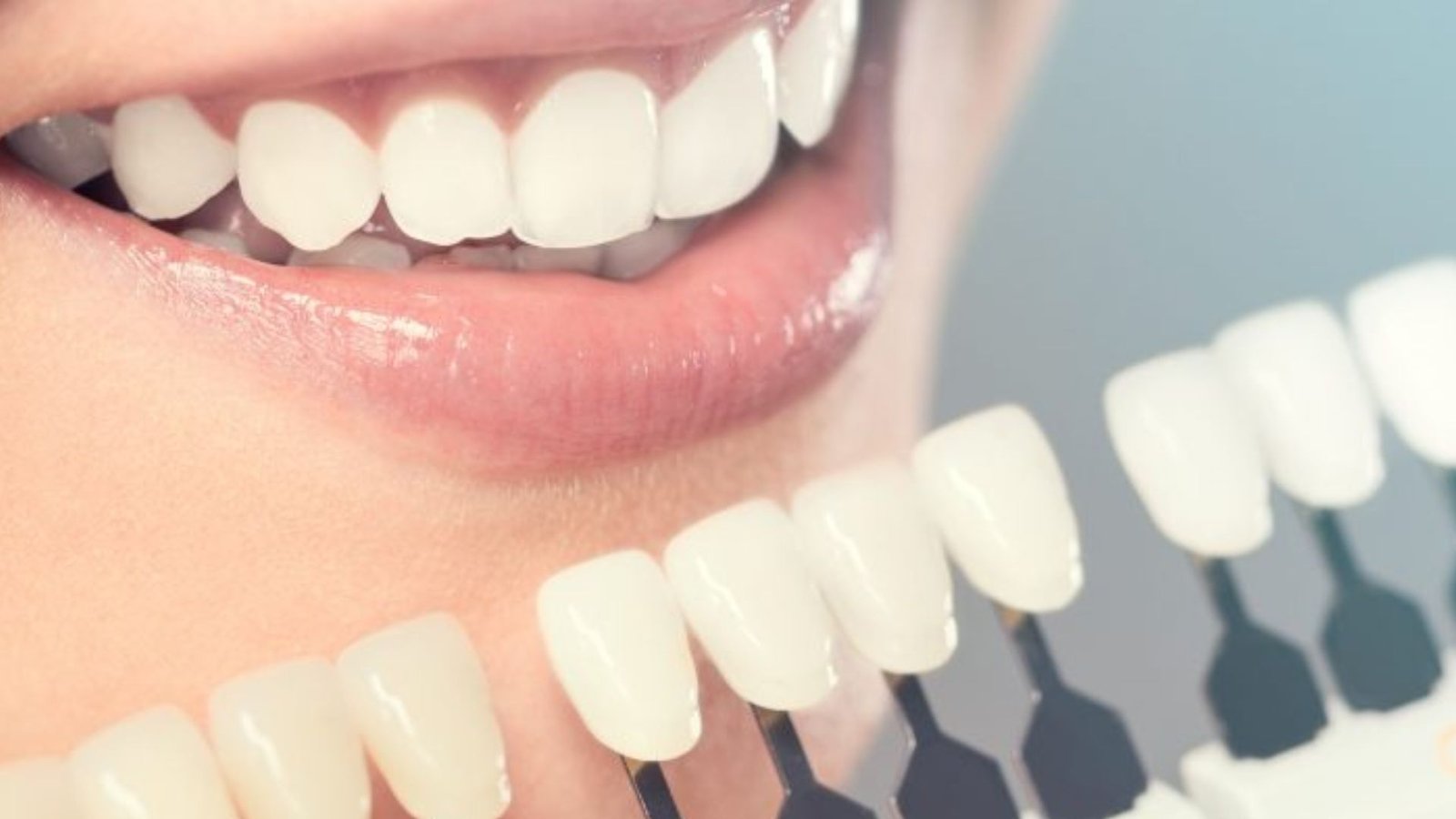
- Shade guides and photos track your starting color and final color.
Digital photos also support cosmetic planning. Your dentist can show mock ups of bonding, contouring, or veneers. You see how small changes in shape and color affect your face. This avoids surprises and helps you set clear goals.
Dental implants and 3D guided surgery
Implants replace missing teeth. They need careful planning. Technology makes this planning more exact and can lower risk.
- 3D scans measure bone height, width, and nerve paths.
- Software plans the size, angle, and depth of each implant.
- Guides printed from this plan help place the implant in the right spot.
This supports both function and look. A well placed implant crown can match nearby teeth and avoid extra stress on your bite.
What this means for your family
Technology does not replace skill or kindness. It gives your dentist better tools. The right use of these tools can bring three key gains.
- More comfort. Fewer long visits. Less mess. Targeted treatment.
- More control. Clear images. Side by side planning. Honest talk about choices.
- More lasting results. Better fit. Safer planning. Stronger repair of teeth and gums.
When you visit your dentist, you can ask three direct questions.
- What digital tools do you use to plan my care
- How do these tools change my options for cosmetic and restorative treatment
- What are the limits or risks of each choice
You do not need to know every technical word. You only need clear answers. With the right questions and the right tools, you can protect your health and shape a smile that feels honest to you.